
Water itself has no smell
Put your nose to a cup of distilled water and you get nothing. A water molecule on its own does not stimulate a human odour receptor. And yet the moment the first raindrops land on long-dry ground, we clearly smell something. What carries the smell is not the rain but the things the rain touches.

Photo: Mediopathin, Wikimedia Commons, CC BY 3.0
The more interesting fact is that this “smell of rain” is not one thing. What we lump under a single phrase is the result of three separate events reaching the nose at three different moments. The sharp smell that arrives before the rain, the oily smell released the instant drops strike the ground, and the earthy smell that rises after the rain has stopped are different substances made in different places. Fail to separate them and every explanation ends up half wrong.
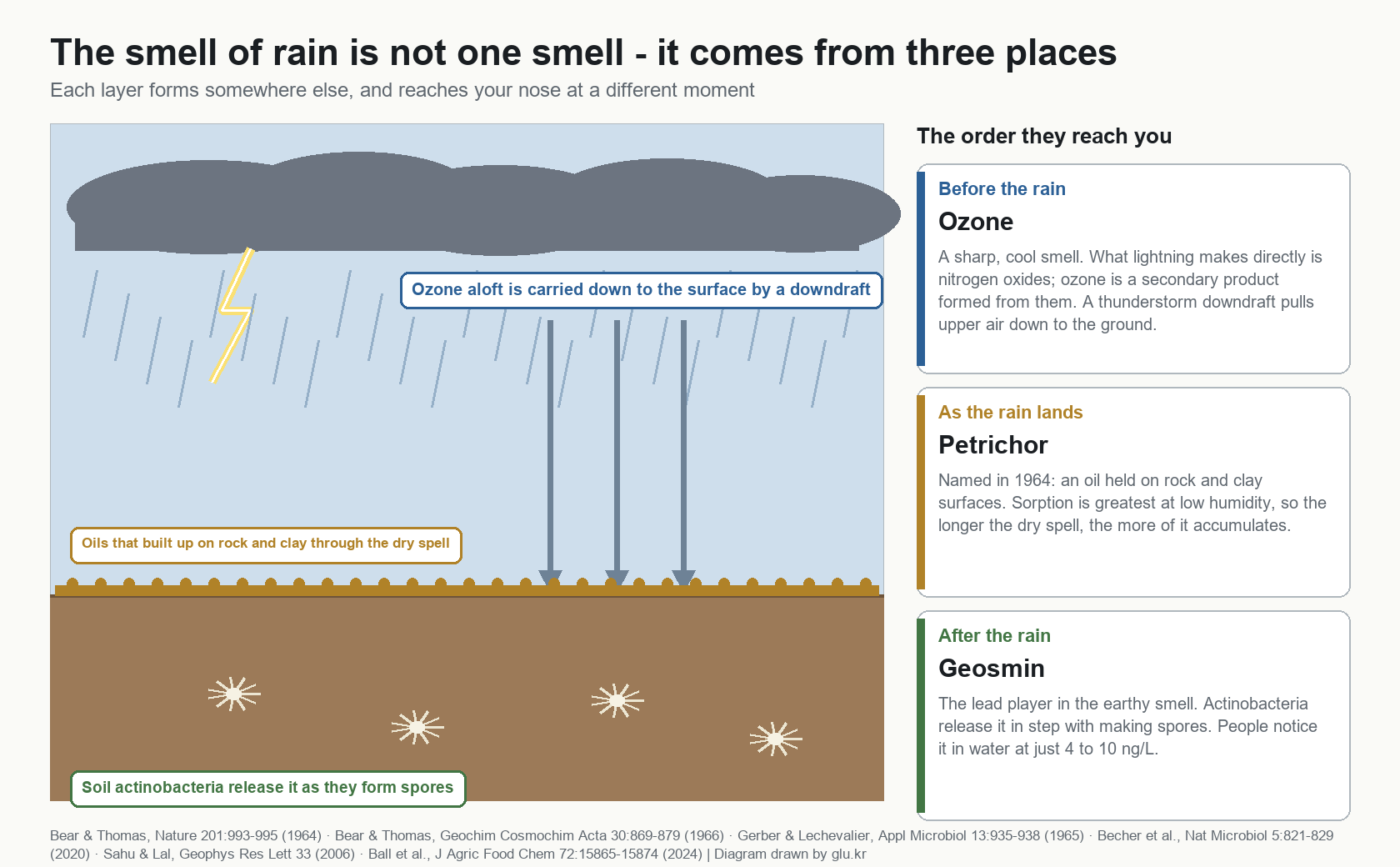
Diagram drawn by glu.kr (Python/PIL). Sources: Bear & Thomas, Nature 201:993–995 (1964) · Bear & Thomas, Geochim. Cosmochim. Acta 30:869–879 (1966) · Gerber & Lechevalier, Appl. Microbiol. 13:935–938 (1965) · Becher et al., Nat. Microbiol. 5:821–829 (2020) · Sahu & Lal, Geophys. Res. Lett. 33 (2006) · Ball et al., J. Agric. Food Chem. 72:15865–15874 (2024)
Layer one — before the rain, the smell that cools the nose
Explaining that sharp, metallic bite in the air ahead of a storm as ozone is a widely used account. But the account is not solid enough to be stated flatly. Only two links in it have been established by measurement, and the join between them is empty. Separating what has been confirmed from what has not actually makes the story sharper.
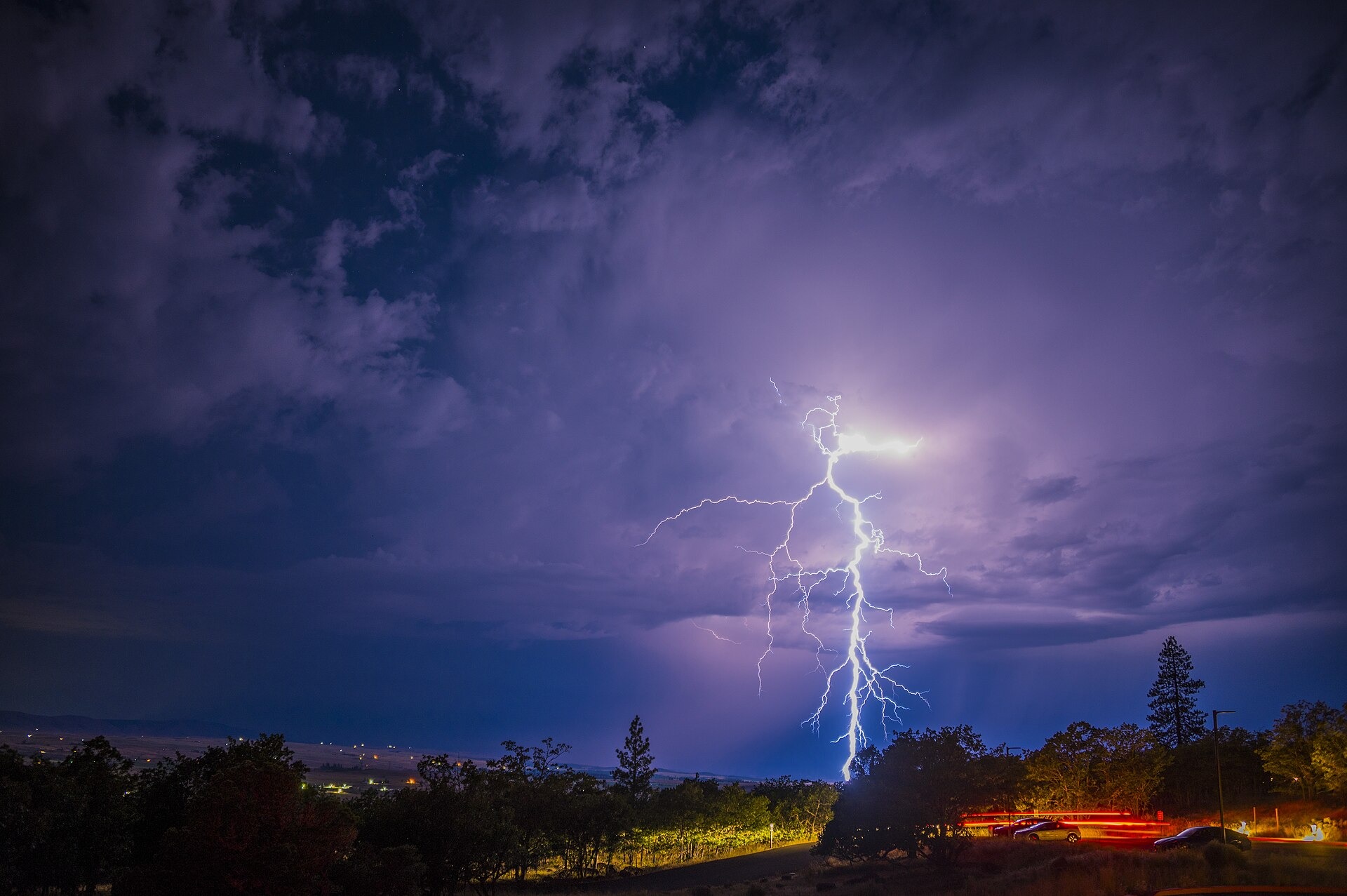
Photo: The Modern Polymath, Wikimedia Commons, CC BY 4.0
First, the established direct product of lightning is not ozone but nitrogen oxides (NOx). The 2007 review by Schumann & Huntrieser (Atmos. Chem. Phys. 7:3823–3907) put a typical thunderstorm flash at 15(2–40)×1025 molecules of nitric oxide, roughly 3.5 kg as nitrogen mass, and estimated the global source at (5±3) Tg N/yr. Ozone is a secondary product formed photochemically from those nitrogen oxides. So “lightning makes ozone” skips a step.

Photo: Konrad W. shannon5, Wikimedia Commons, CC BY-SA 2.5
Second, that a thunderstorm downdraft drags ozone-rich upper air down to the surface has been measured. Sahu & Lal’s 2006 paper (Geophys. Res. Lett. 33(10)) reported shipboard measurements over the Bay of Bengal in autumn 2002 that caught events in which surface ozone rose by as much as 26 ppbv while equivalent potential temperature fell by 12 K. But those are shipboard values over a tropical ocean, not values over land in Korea. The human odour threshold for ozone runs 0.0076 to 0.03 ppm on figures from the American Industrial Hygiene Association (AIHA) — a quantity of an entirely different kind from the U.S. Environmental Protection Agency’s ground-level ozone standard (0.070 ppm as an 8-hour average), so the two should never be placed on the same axis.
And something has to be added honestly. No study directly measuring the stitched-together claim — that ozone made by lightning rides a downdraft to the ground and reaches our noses — could be found. It is a widely repeated account, but the circuit has not yet been closed by measurement. The account is also limited to convective precipitation with lightning, which in Korea means showers and thunderstorms from summer through early autumn only.
Layer two — the instant the drops land, released from stone
In March 1964, I. J. Bear (Isabel Joy Bear) and R. G. Thomas, mineral chemists at Australia’s CSIRO, published a short paper in Nature, volume 201, issue 4923, pages 993–995. The title was “Nature of Argillaceous Odour”. The two proposed a new name for the smell, and that name was petrichor.
The diverse nature of the host materials has led us to propose the name ‘petrichor’ for this apparently unique odour which can be regarded as an ‘ichor’ or ‘tenuous essence’ derived from rock or stone.
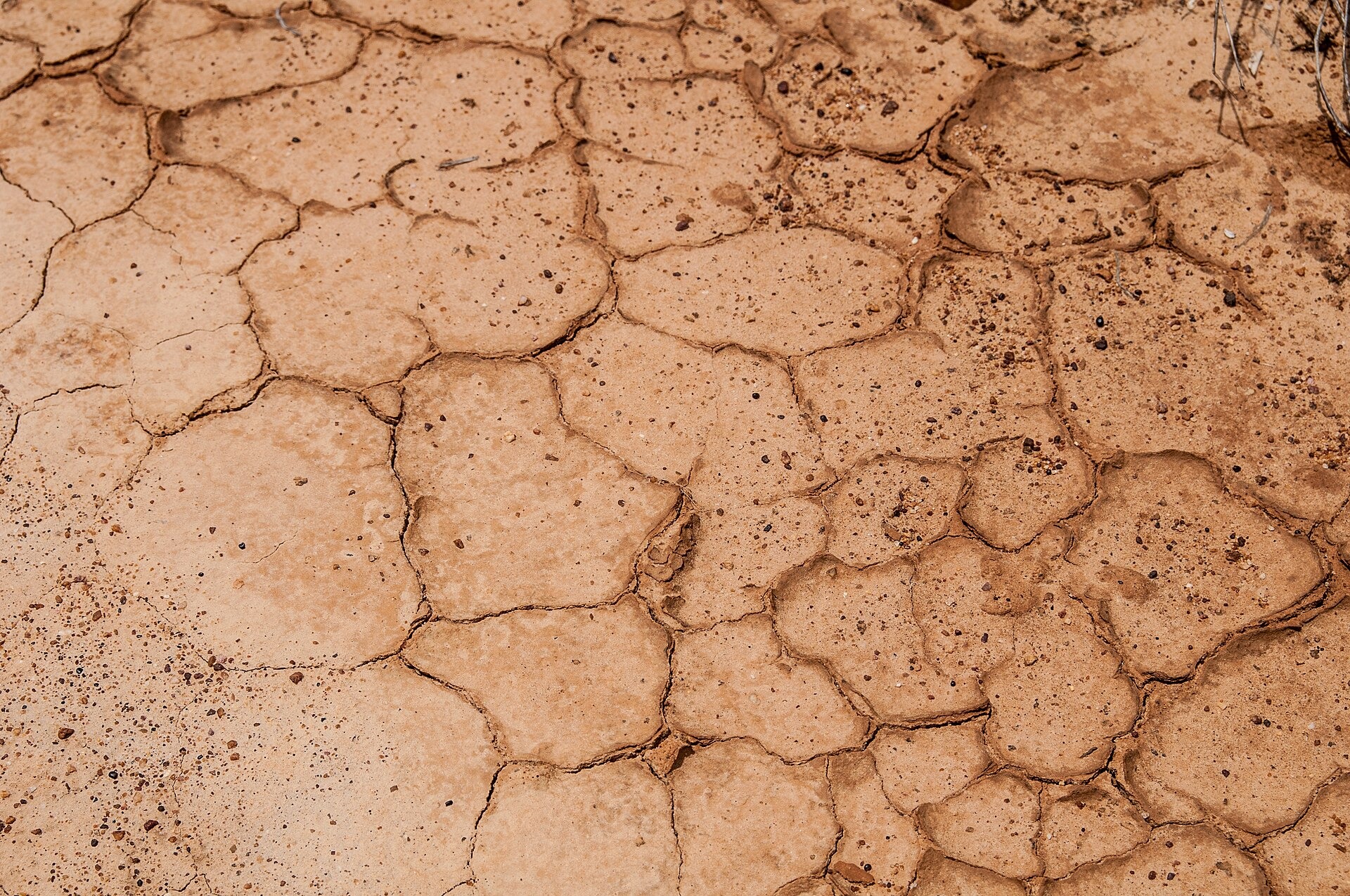
Photo: Wilfredor, Wikimedia Commons, CC0
The reason for the new name matters. The existing term ‘argillaceous odour’ made the phenomenon sound like a property of clay alone, whereas the host materials that actually carried the smell were varied and not restricted to clay. The pair steam-distilled rock that had been left in warm, dry conditions and recovered a yellowish oil. This oil — held on rock and clay surfaces through the dry period and released when water arrives — is what petrichor actually is.
Here the dates must not be blurred. The 1964 paper did not settle where that oil came from. The question of origin was taken up separately two years later by the same authors in “Genesis of petrichor” (Geochim. Cosmochim. Acta 30(9):869–879, 1966), which weighed four mechanisms: catalytic synthesis of odorous compounds from atmospheric gases at clay and rock surfaces, sorption of organic material from the atmosphere, catalytic transformation of the sorbed compounds, and microbial activity. The statement that sorption is greatest at low relative humidity is also there. That passage is the basis for the everyday sense that the longer the drought, the stronger the smell of the first rain.
The 1965 paper that falls between them, “Petrichor and Plant Growth” (Nature 207:1415–1416), overturned the expectation. The material did not accelerate seed germination; it retarded it. But the qualifiers are heavy. The subjects were seeds of three kinds — cress, mustard and mixed grass — the substrate was laboratory sowing on mineral host materials such as kaolinized granite, and the exposure was 60–75 °F (about 15.6–23.9 °C) at relative humidity below 70% for two to three weeks. The finding was that the inhibition grew with longer exposure; the paper offers no basis for extending it to fields or forests in their natural state.
Today ‘petrichor’ is used as an umbrella term for the whole smell of rain. By the original definition, though, the word named only one of the three layers — the oil held on rock and clay. Popular accounts often list specific fatty acids as its components, but the lists differ from source to source, so it is safe to go only as far as saying fatty acids and terpenes. A preprint released in 2026 reported that petrichor is a complex bouquet of 58 volatile organic compounds, measured by rewetting dryland soil cores from Israel — a result that has not been through peer review, which should be kept in mind alongside the number.
How does the smell reach the nose
How does an oil clinging to the soil surface rise into the air and reach a nose several metres above it? That transport problem is exactly what Y. S. Joung and C. R. Buie answered with high-speed photography in Nature Communications, volume 6, article 6083, in 2015. The paper’s own words: “Aerosol generation after drop impingement on porous media is a three-step process consisting of bubble formation, bubble growth and bubble bursting.”
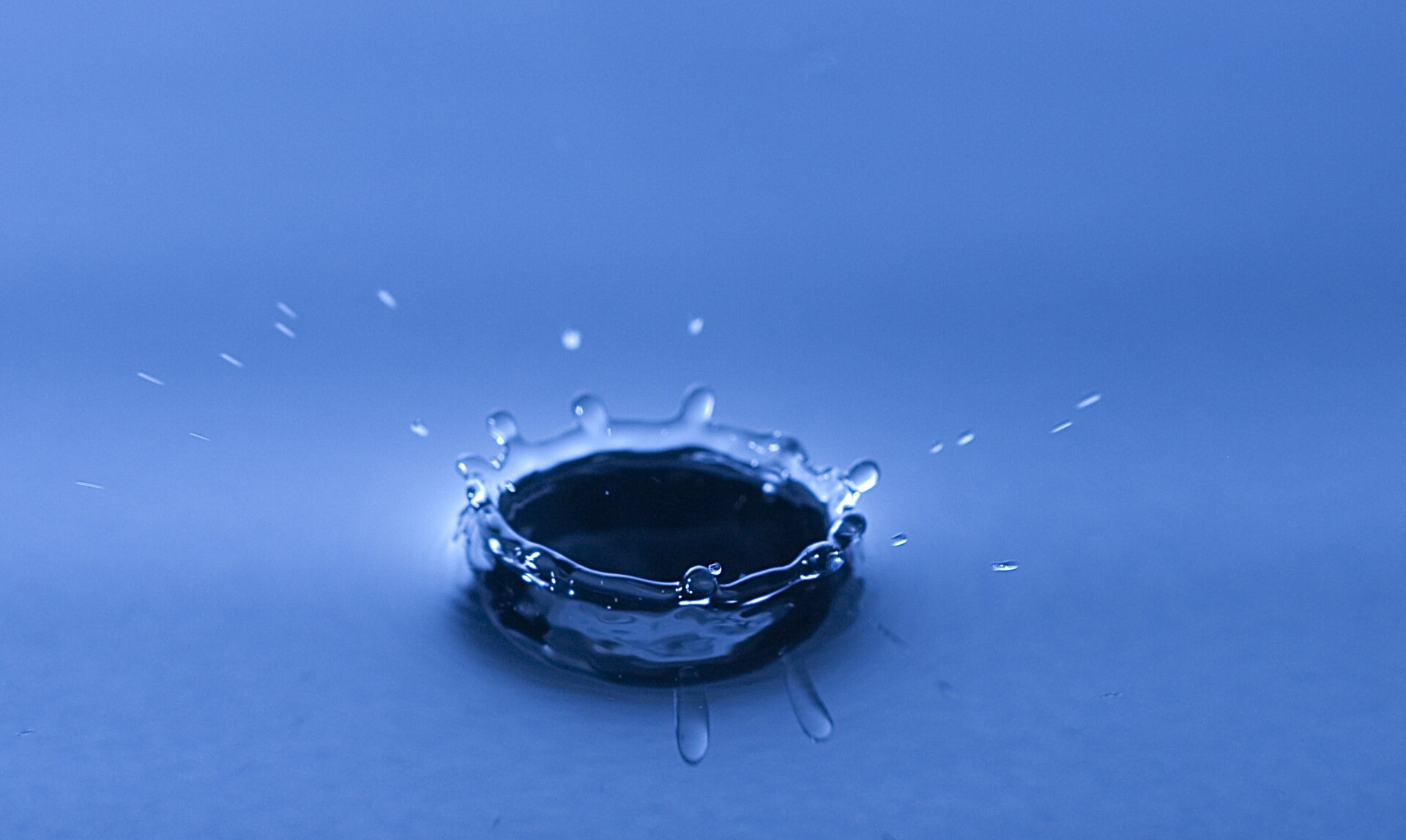
Photo: Davide Restivo from Aarau, Switzerland, Wikimedia Commons, CC BY-SA 2.0
When a raindrop lands on dry soil, the drop spreads faster than the soil absorbs it, so air is trapped underneath. The trapped air becomes a bubble that rises through the drop and bursts at the surface, throwing a great many tiny droplets upward. Odour compounds sitting on the soil surface ride those droplets into the air.
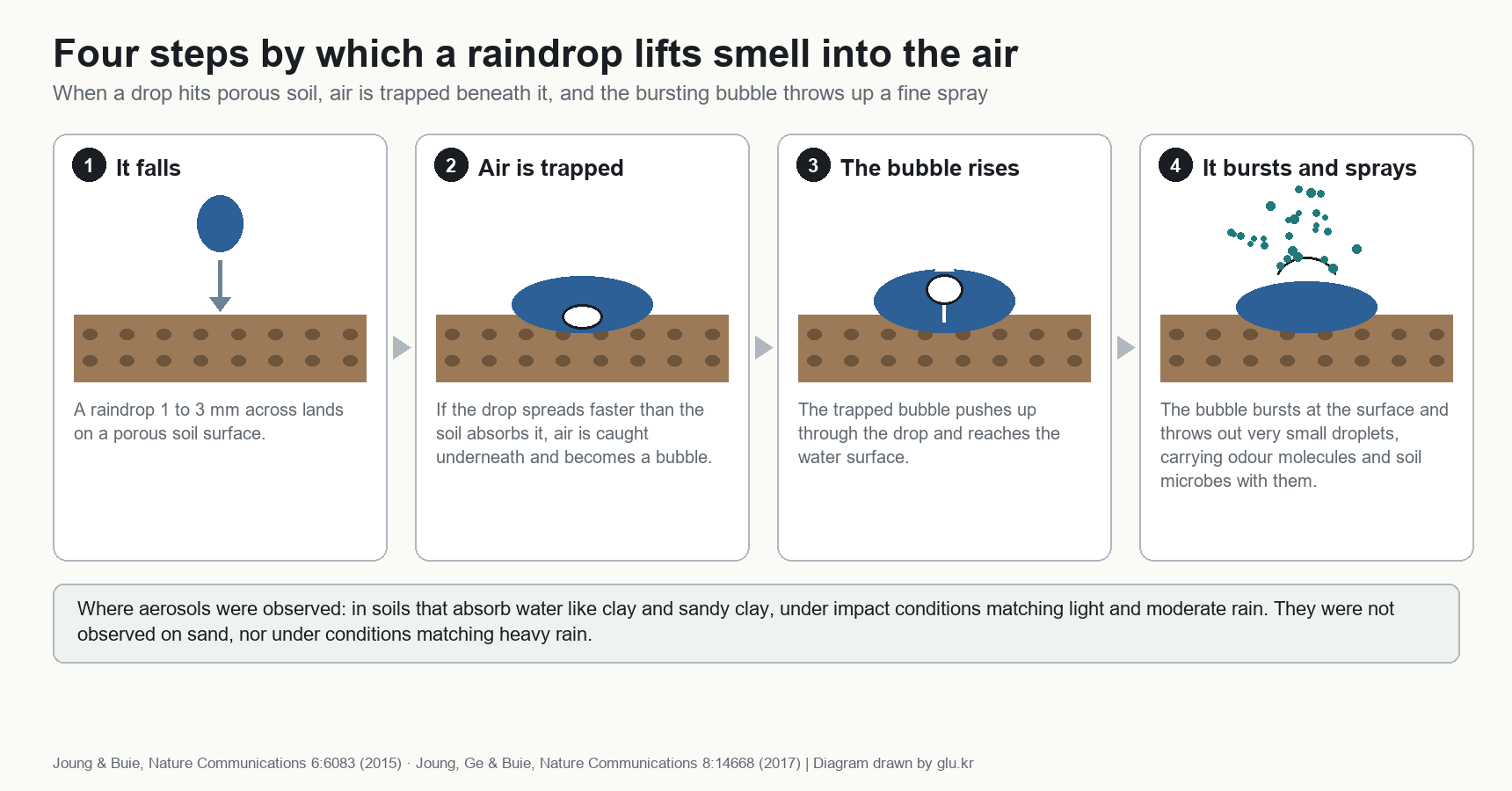
Diagram drawn by glu.kr (Python/PIL). Sources: Joung & Buie, Nature Communications 6:6083 (2015) · Joung, Ge & Buie, Nature Communications 8:14668 (2017)
The most common compression error here is “the lighter the rain, the stronger the smell”. The paper did not compare how much was produced at different intensities; it reported whether generation was observed at all. Precisely: in soils whose absorption behaved like clay and sandy clay, aerosols were confirmed to form under conditions corresponding to light and moderate rain, and were not observed on sand, nor under conditions corresponding to heavy rain. The intensity criterion is the impact speed of an individual raindrop, and the definition — light rain below 4.0 m/s, heavy rain above 7.0 m/s — is one the paper took from Sumner (1988). A typical raindrop is 1 to 3 mm across.
The striking figure often quoted — “hundreds of water jets ejected at about 10 m/s within roughly 20 microseconds” — came not from soil but from a thin-layer chromatography plate, a specimen the paper defines as an idealized soil-like surface with comparable absorption but homogeneous structure, struck by a single drop at 1.4 m/s. On real soil the paper describes only fine jets tens of micrometres across. What this study established is not the identity of the odour compounds but the mechanism that lifts them into the air, and that distinction should not be lost. That the mechanism also operates outside the laboratory is supported by later field work: Wang et al. reported in Nature Geoscience volume 9, pages 433–437 (2016) that precipitation generates airborne organic particles derived from soil in the real atmosphere. Joung and Buie’s 2017 follow-up (Nat. Commun. 8:14668) reported that a single raindrop transfers 0.01% of the bacteria on the soil surface into the air (measured range 0.0021–0.16%) and that the bacteria were still alive an hour after aerosolization — again a laboratory value, obtained by dropping 2.8 mm drops at 0.6 to 1.7 m/s onto dried soil deliberately inoculated with bacteria, and again not observed on sand.
Layer three — the earthy smell after the rain stops
The damp, heavy earthy smell that rises from wet ground well after the rain has stopped is yet another substance. Geosmin was isolated and named in 1965 by Gerber & Lechevalier from actinobacterial culture (Applied Microbiology 13(6):935–938). It is a separate compound, obtained the year after petrichor was named, by different authors, from a different sample, by a different method. So “petrichor = geosmin” is wrong. But saying the two have nothing to do with each other is an overcorrection — that geosmin is today counted as the dominant component of the earthy smell after rain is a separate fact.

Structure: Calvero, Wikimedia Commons, Public domain (composited on a white background)
Geosmin’s molecular formula is C12H22O and its molecular weight is 182.30 g/mol. It starts from farnesyl diphosphate with fifteen carbons, but acetone is lost along the way to leave twelve, making it a degraded sesquiterpenoid — so calling it simply a “sesquiterpene (C15)” leaves the carbon count wrong. People are remarkably sensitive to it. The numbers, though, must always carry their medium and route: taking several studies together, the orthonasal detection threshold in water is 4 to 10 ng/L.
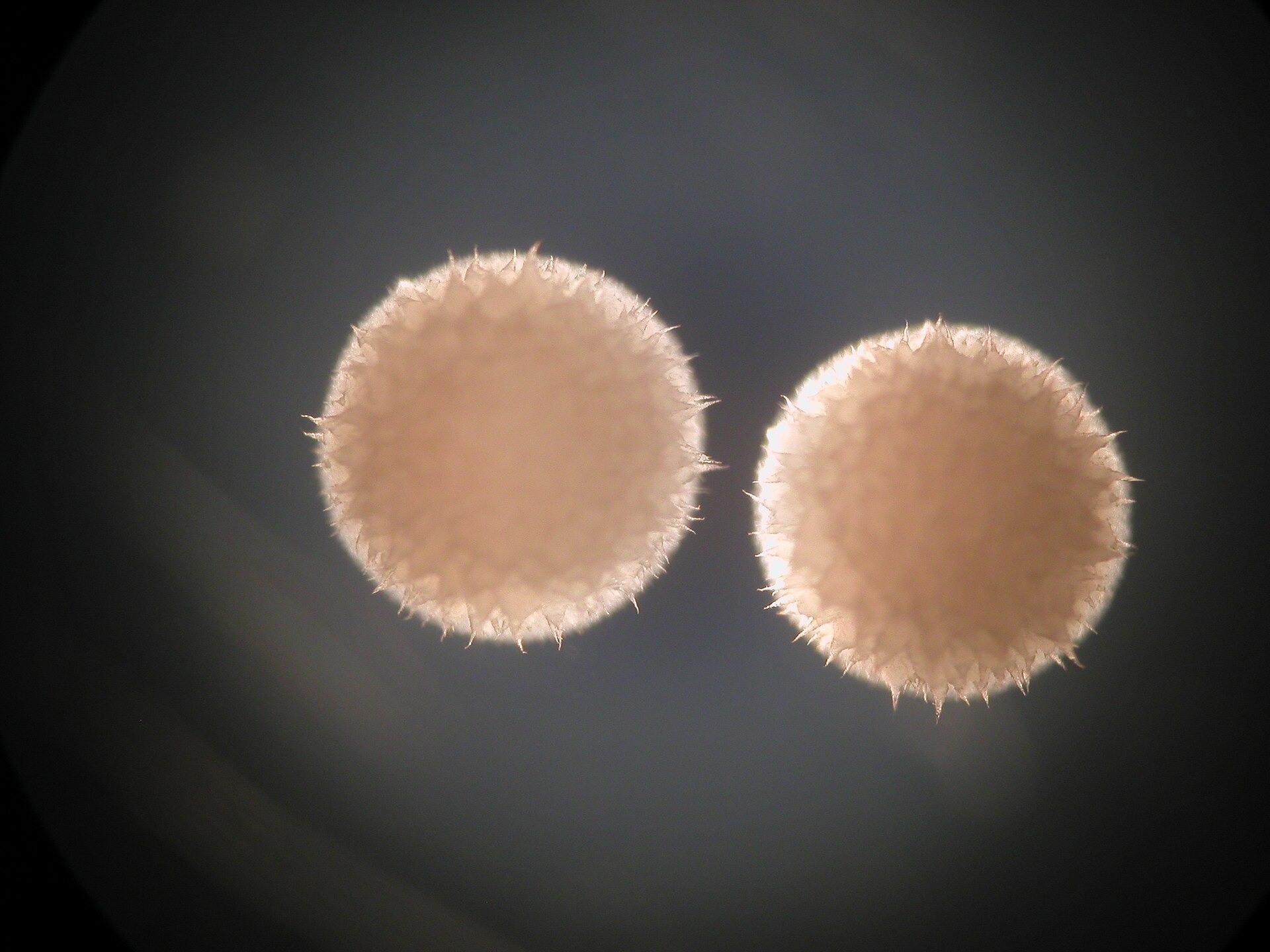
Photo: Snuupo, Wikimedia Commons, CC BY-SA 4.0
To bring an entire Olympic-size swimming pool (about 2.5 million litres) to that threshold takes 25 mg of geosmin at the upper bound of 10 ng/L, or 10 mg at the lower bound of 4 ng/L — between one one-hundred-sixtieth and one four-hundredth of a single sugar cube (about 4 g). The Australian drinking water guidelines list an odour threshold of 10 ng/L each for geosmin and 2-MIB and set an operational rule that when their total exceeds that value in raw or treated water, monitoring and activated carbon treatment should be stepped up. Interestingly, no health-based guideline value is set for taste and odour. It does not follow that water smelling of earth is contaminated. The problem is not harm but complaints.
The turn — the smell was never meant for us
So why do actinobacteria release the compound at all? The most concrete answer so far came from Becher et al. in Nature Microbiology, volume 5, pages 821–829, in 2020. To put the conclusion first: what the smell calls is not us but a small arthropod living in the soil.
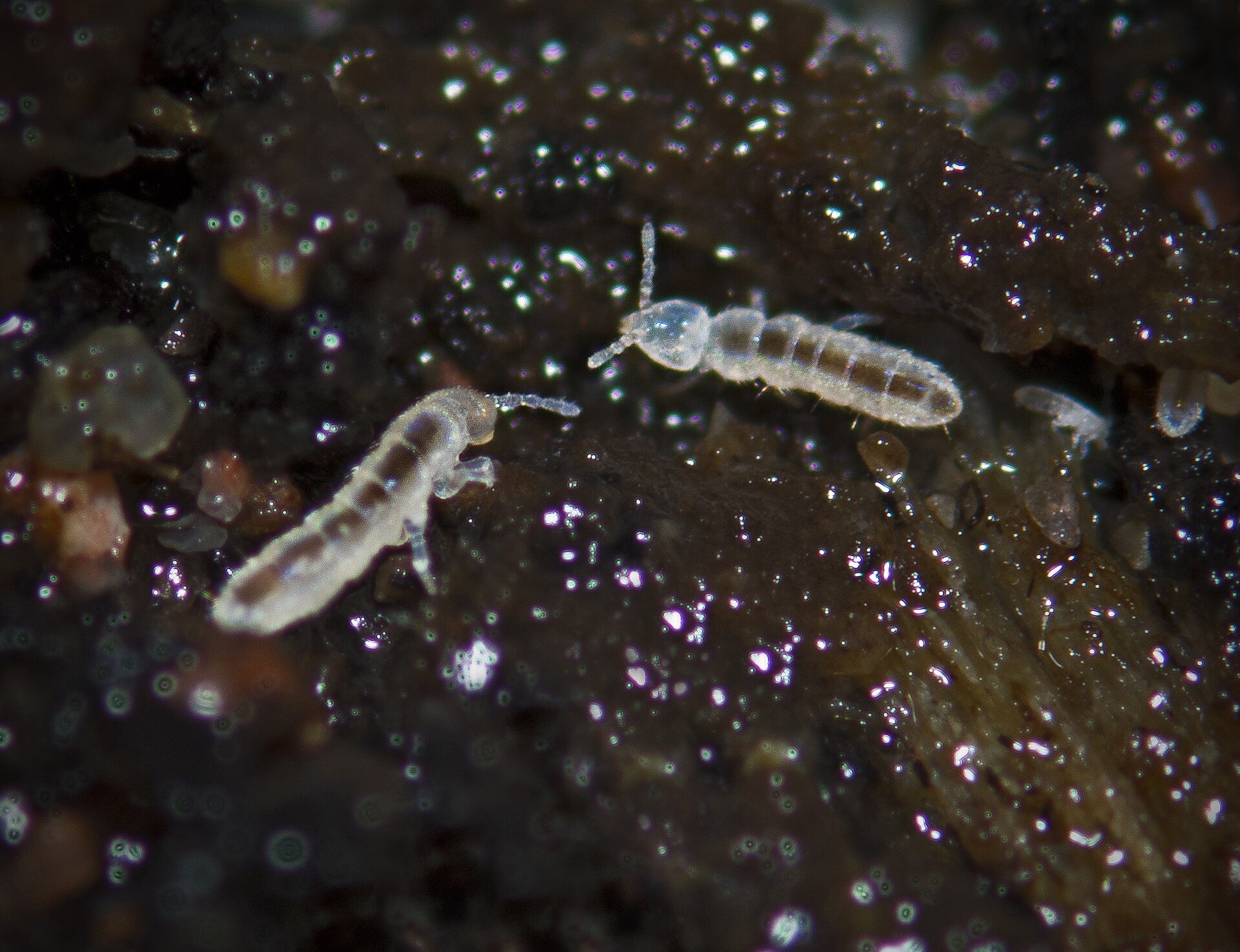
Photo: AJC1 from UK, Wikimedia Commons, CC BY-SA 2.0
What was attracted was not insects but springtails (Collembola). In field experiments at two forest sites in Alnarp, Sweden, with twenty traps per treatment, the only group caught in significantly greater numbers was the springtails (chi-square 19.389, 2 degrees of freedom, N = 57, P < 0.001), while insects and arachnids in the same experiment showed no significant difference. One thing has to be made clear here. The bait in the field traps was not pure geosmin but living S. coelicolor M145 colonies. Attraction to geosmin on its own was confirmed in a laboratory Y-tube at a total dose of 1 ng (P < 0.001), while 1 ng of 2-MIB alone was not significant (P = 0.061). The behavioural experiments were also on a single springtail species (Folsomia candida).
What this paper established is the precision of the timing. That the geosmin gene (geoA) and the 2-MIB genes are each under the direct control of the sporulation-stage transcription factors WhiH and BldM is a result the same paper obtained in S. venezuelae. That is why emission of the odour is confined to colonies that are making spores. The bacteria do not release the smell at just any time; they release it in step with having spores ready to disperse. Springtails that follow the smell feed on the colonies and carry spores away by two routes: stuck to their hydrophobic cuticle, and in their faecal pellets. Geosmin biosynthesis genes are conserved across virtually every Streptomyces genome sequenced to date, and 2-MIB genes are found in about half of them.
The authors themselves reserved judgement, noting that further verification is needed in a community context. So rather than the teleological flat statement that the bacteria “make the smell in order to spread spores”, the accurate description is that they release it in step with making spores, and that this helps the spores disperse. Either way, the smell we catch after rain was never a signal addressed to us; we are closer to overhearing a conversation that was already going on in the soil.
Why are we so sensitive — where the received story turns over
Here the most widely circulated explanation appears: that humans became extraordinarily sensitive to geosmin in order to find water in deserts. Yet the very paper cited in support of that narrative points the other way. When Ball et al. identified the human geosmin receptor OR11A1 for the first time in 2024 and compared the corresponding receptors (orthologues) of several species under the same conditions (J. Agric. Food Chem. 72(28):15865–15874), humans came out among the less sensitive.
The receptor response concentrations (EC50) measured in cell assays were 0.24 µmol/L for the kangaroo rat, 27.97 µmol/L for humans and 80.97 µmol/L for the Sumatran orangutan. The desert-dwelling kangaroo rat’s receptor was more than a hundred times more sensitive than the human one. That figure is the response concentration of a recombinant receptor in vitro, however, not the concentration at which a person smells something — the two are 500,000 to 1,300,000 times apart, close to six orders of magnitude, and must not be set side by side.
And the hypothesis the paper advances for humans is not water-finding. The authors propose that OR11A1 evolved to detect geosmin’s musty off-odour as a warning against spoiled food and water. The water-finding idea is mentioned only as it applies to other animals such as camels and elephants; for humans the authors add a caveat instead. That people differ over whether they like the earthy smell or dislike it looks less odd from the direction of this hypothesis.
When three layers of signal overlap into one
To sum up. The sharp smell at the tip of the nose before the rain is a kilometres-wide story usually explained by atmospheric electricity and downdrafts — though, as we saw, one whose circuit is not yet closed by measurement. The petrichor released as the drops land is a surface-chemistry event, the quiet accumulation of weeks on rock finally let go. The geosmin after the rain is a millimetre-scale event, soil microbes dispersing their spores. Three events of entirely different scale, timing and agent arrive at the nose in order, all keyed to a single fall of rain. If you take one thing away today, take this: there is no single substance called “the smell of rain”.
Over Korea these three layers overlap with the seasons too. By the Korea Meteorological Administration’s count, lightning in 2025 totalled about 106,000 strikes, 57% of them concentrated in summer (June to August), with 35,372 in July and 30,281 in September. That is the stretch in which the first layer, the one explained by ozone, has any room to take part. The autumn normals for precipitation, by contrast, are 266.1 mm nationwide across 22.6 rainy days. Early autumn still carries a fair share of convective showers, as September’s 30,281 lightning strikes show, but through October and November the balance shifts toward rain that falls quietly, without thunderstorms. What rises after that kind of rain is mostly the third layer, the geosmin.
This is why one rainy day begins with a cool, sharp smell and another leaves only the smell of earth. Atmospheric electricity, sorption on mineral surfaces, and the life cycle of a microbe — three strata that look unrelated — each run by their own principles and then converge, keyed to one fall of water, into a single sensation. That the convergence does not look like coincidence is because the closer you look at each layer, the more finely designed a structure it turns out to be. Next time it rains, open the window a little early and count how many times the smell changes.
References
- Nature of Argillaceous Odour — the 1964 paper that first proposed ‘petrichor’
- Petrichor and Plant Growth — the follow-up reporting that petrichor ‘retards’ germination (opening paragraphs free)
- Genesis of petrichor — the 1966 paper weighing the mechanisms behind petrichor’s origin
- CSIRO — The smell of rain: how our scientists invented a new word
- Geosmin, an Earthy-Smelling Substance Isolated from Actinomycetes — the paper that named geosmin (full text)
- Developmentally regulated volatiles geosmin and 2-methylisoborneol attract a soil arthropod to Streptomyces bacteria promoting spore dispersal — author accepted manuscript (free)
- Geosmin … Activates Evolutionary Conserved Receptor OR11A1 — identification of the human geosmin receptor (open access)
- Biosynthesis of the earthy odorant geosmin by a bifunctional Streptomyces coelicolor enzyme
- Aerosol generation by raindrop impact on soil — the three-step mechanism by which raindrops make aerosols
- Bioaerosol generation by raindrops on soil — the follow-up showing raindrops carry soil bacteria into the air (full text)
- Airborne soil organic particles generated by precipitation — field confirmation outside the laboratory
- The global lightning-induced nitrogen oxides source — lightning’s direct product is NOx, not ozone
- NOAA JetStream — Thunderstorm Hazards: Damaging Wind (the physics of downdrafts and gust fronts)
- Korea Meteorological Administration press release — 2025 Lightning Annual Report (in Korean)
- Australian Drinking Water Guidelines (NHMRC) — geosmin and 2-MIB odour threshold of 10 ng/L and the operational rule
- PubChem CID 29746 (Geosmin) — molecular formula, molecular weight and IUPAC name
- Sahu & Lal (2006) — “Changes in surface ozone levels due to convective downdrafts over the Bay of Bengal”
- PubChem CID 24823 (Ozone) — odour threshold
- Korea Meteorological Administration press release — autumn 2025 climate characteristics, with autumn precipitation normals (in Korean)
- Ghirardo et al. (2026, preprint) — 58 volatile organic compounds released when dryland soil is rewetted
- U.S. EPA — NAAQS Table: ground-level ozone, 0.070 ppm as an 8-hour average