
Prince Rupert’s Drops: Why Does a Broken Tail Shatter the Strong Head?
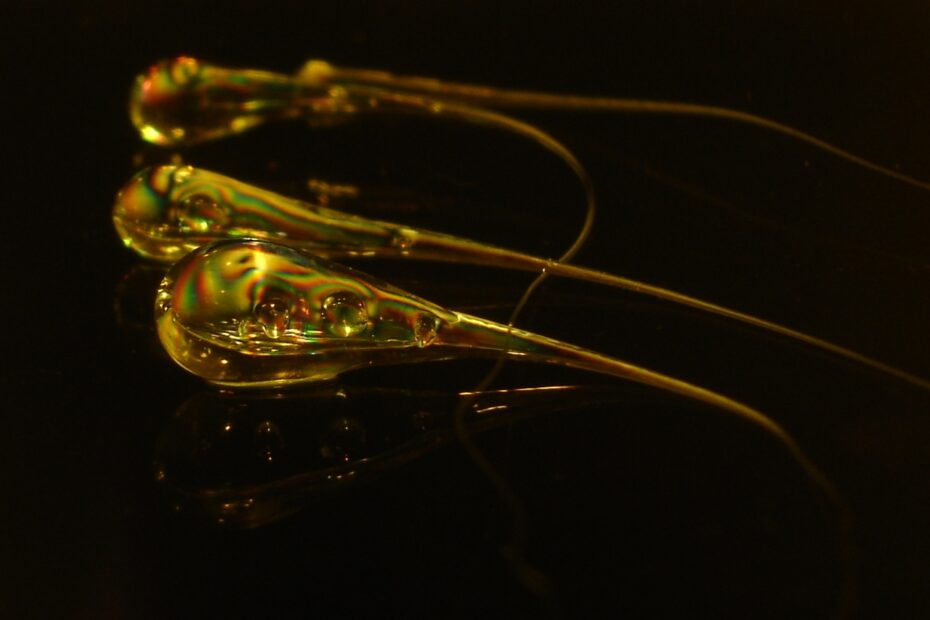
A resilient head and fragile tail come from the same cooling process. Real experiments reveal how residual stress shapes a Prince Rupert’s drop.
Science — space, principles, structures, phenomena
A resilient head and fragile tail come from the same cooling process. Real experiments reveal how residual stress shapes a Prince Rupert’s drop.

Schrödinger’s 1935 thought experiment was never meant to illustrate the strangeness of quantum mechanics — it was a rebuttal aimed squarely at the Copenhagen interpretation.… Read More »Schrödinger’s Cat: Is It Really Half Alive and Half Dead?
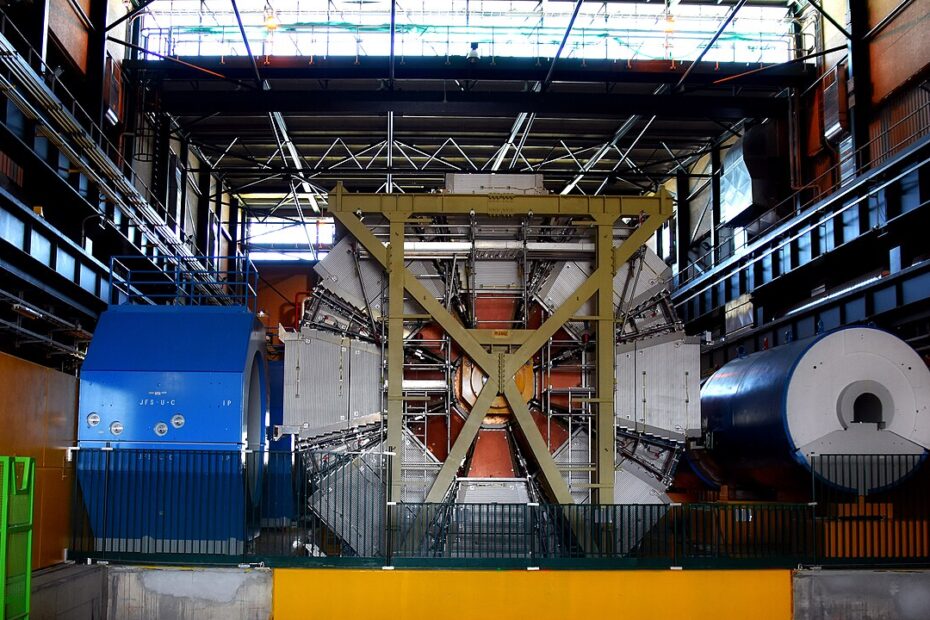
Billions of laser photons can occupy the exact same state without any trouble, yet two electrons can never share one. A single property called spin… Read More »Light Piles Up, But Why Can’t Electrons? — The Design Behind Bosons and Fermions

For over two thousand years after its name promised something indivisible, whether atoms were even real stayed a live dispute in physics — and once… Read More »The Atom That Couldn’t Be Cut, and the Structure Found Inside It
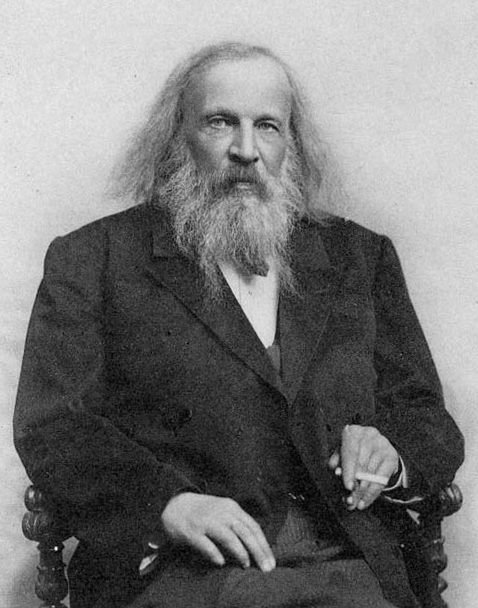
In 1871, Dmitri Mendeleev left blanks in his periodic table for elements no one had found — and wrote down their atomic weight and density… Read More »The Weight of an Element That Didn’t Exist Yet
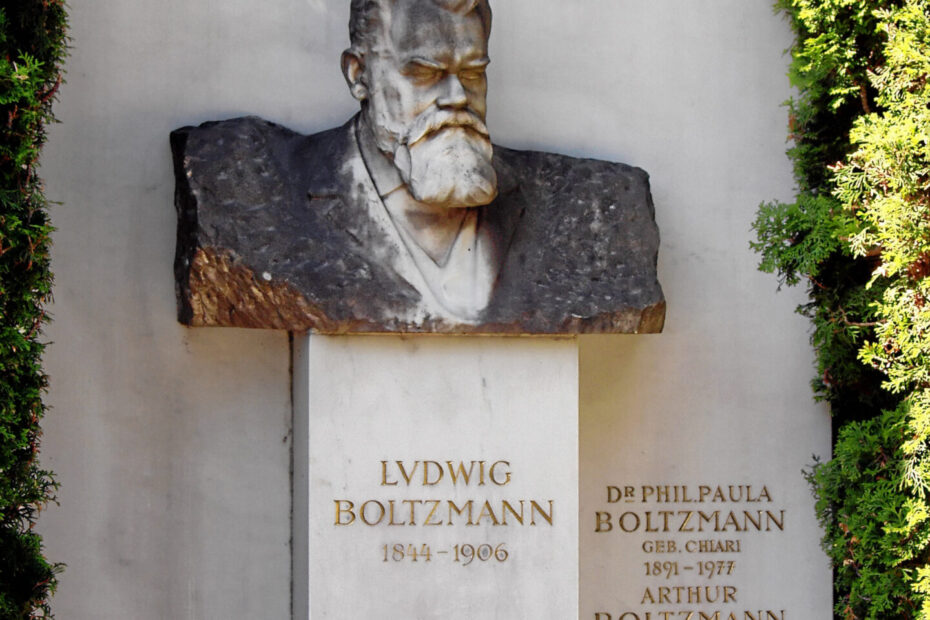
Cells build and repair themselves nonstop even as the universe as a whole drifts toward disorder. The answer lies in the difference between an isolated… Read More »Entropy and Life: How Open Systems Escape the Universe’s Drift Toward Disorder