
Pythons follow a strange feeding strategy. They go weeks — sometimes as long as eighteen months — without eating a thing, and then one day suddenly swallow prey whole that weighs as much as their own body. For a person, it would be like fasting for a long stretch and then eating a single meal equal to your own body weight in one sitting. The real problem comes next. The digestive organs, heart, and intestines, which have been resting for so long, must suddenly handle this enormous volume of food all at once. How do organs that are normally thin and small possibly withstand this burden in such a short span of time?

How Pythons Swallow Prey Larger Than Their Own Bodies
Pythons owe their ability to swallow prey far larger than their own bodies to the structure of their jaws. The left and right lower jawbones are not fused together but connected only by elastic ligaments, letting the mouth open up to five times the width of the head. Backward-curving teeth act like hooks, keeping prey caught in a bite from slipping back out. Pythons subdue prey not with venom but through constriction — coiling around it and squeezing. Once prey is caught this way and swallowed whole, head-first, the real challenge begins — now that massive mass has to be digested.
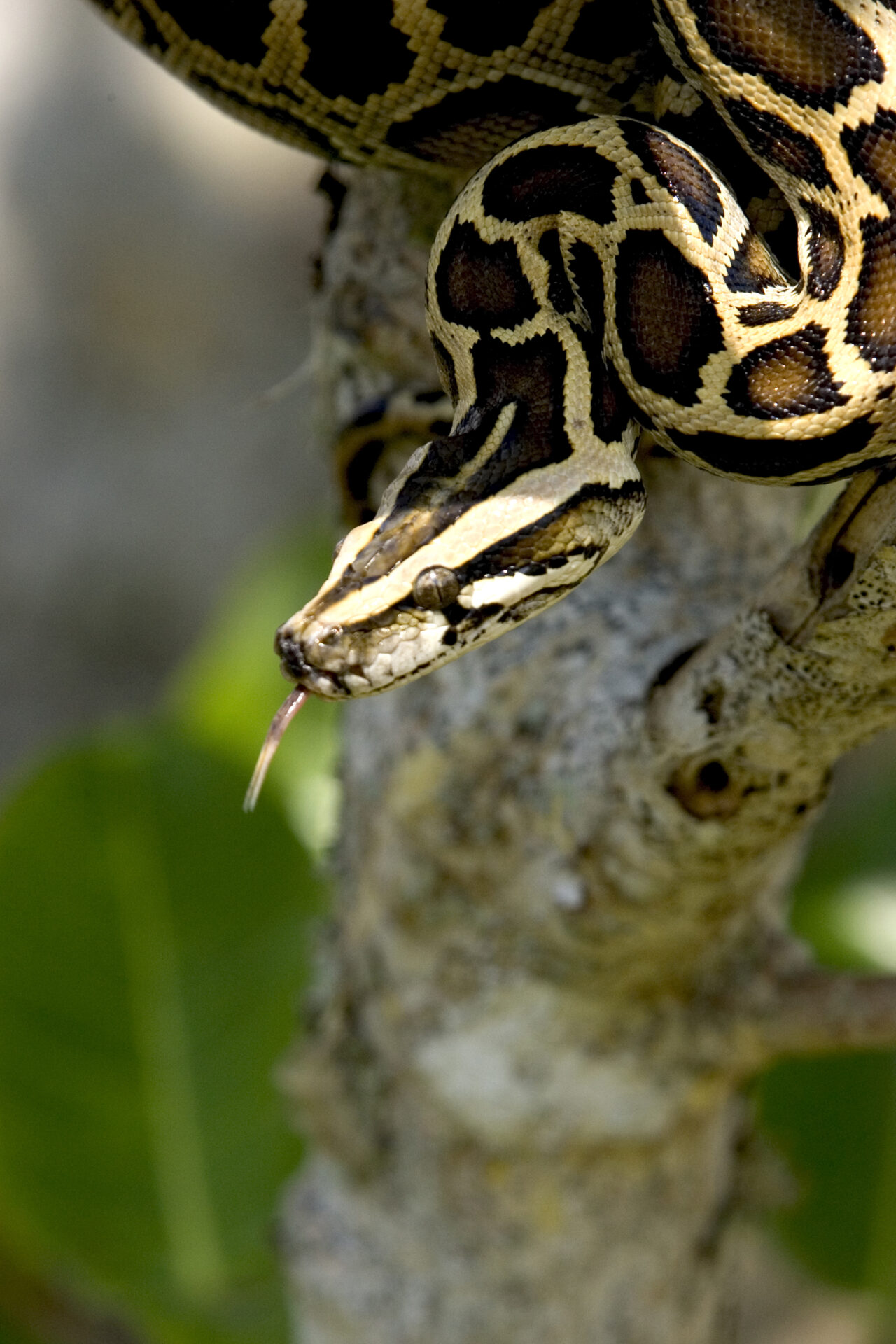
The Small Intestine That Swells as if Unfolding
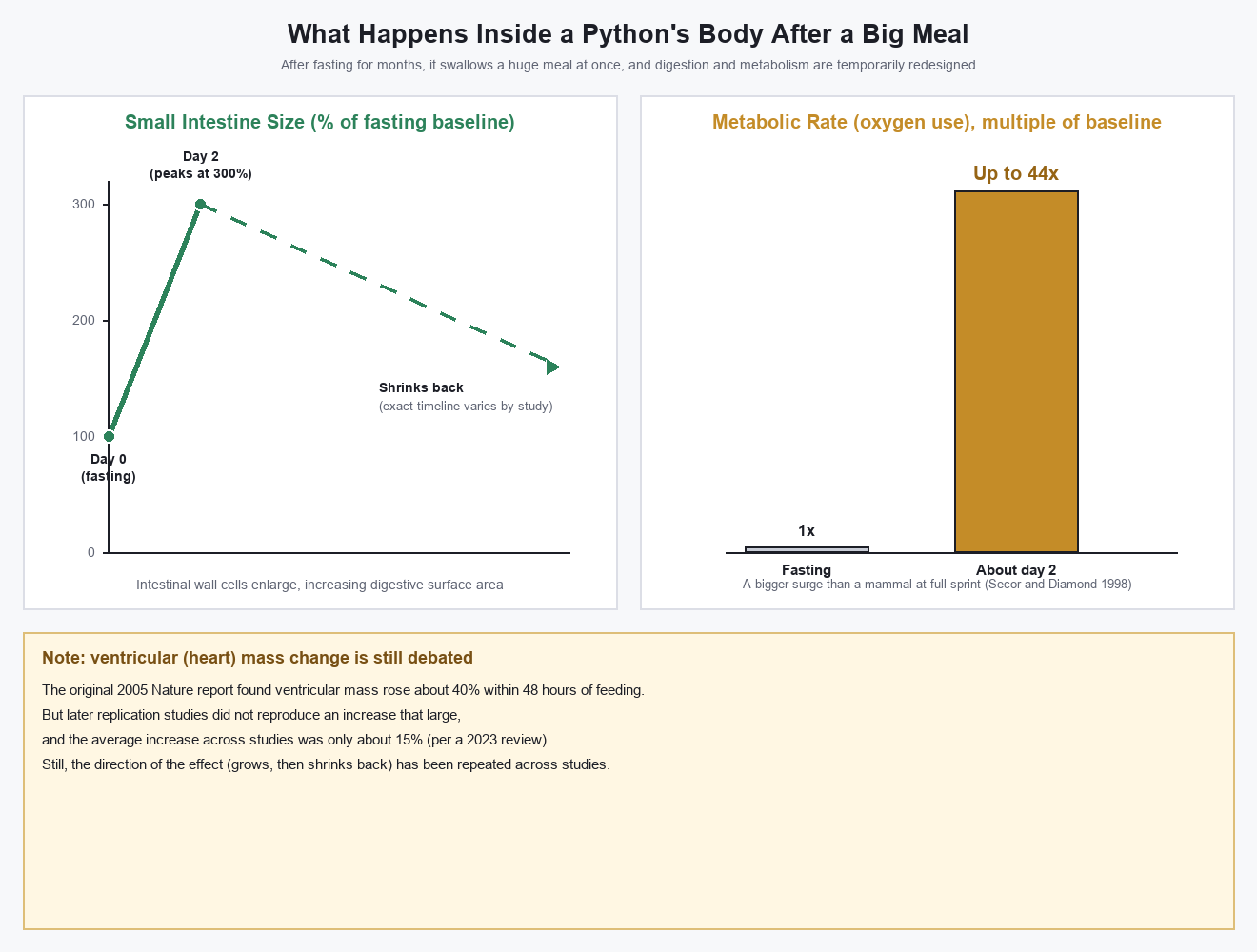
Researchers who examined the small intestine of Burmese pythons found something remarkable. According to a paper Starck & Beese (2001) published in the journal Journal of Experimental Biology, within two days of swallowing prey, the small intestine swells to as much as three times (300%) its fasting size. This doesn’t happen through the growth of new intestinal tissue — instead, existing intestinal cells individually enlarge and the villi (finger-like projections that absorb nutrients from food) lengthen, as if the same bricks stayed in place while only the wall’s thickness swelled. This change is fully reversible: once digestion ends, the small intestine thins out again, though recovery appears to proceed more slowly than the initial swelling.
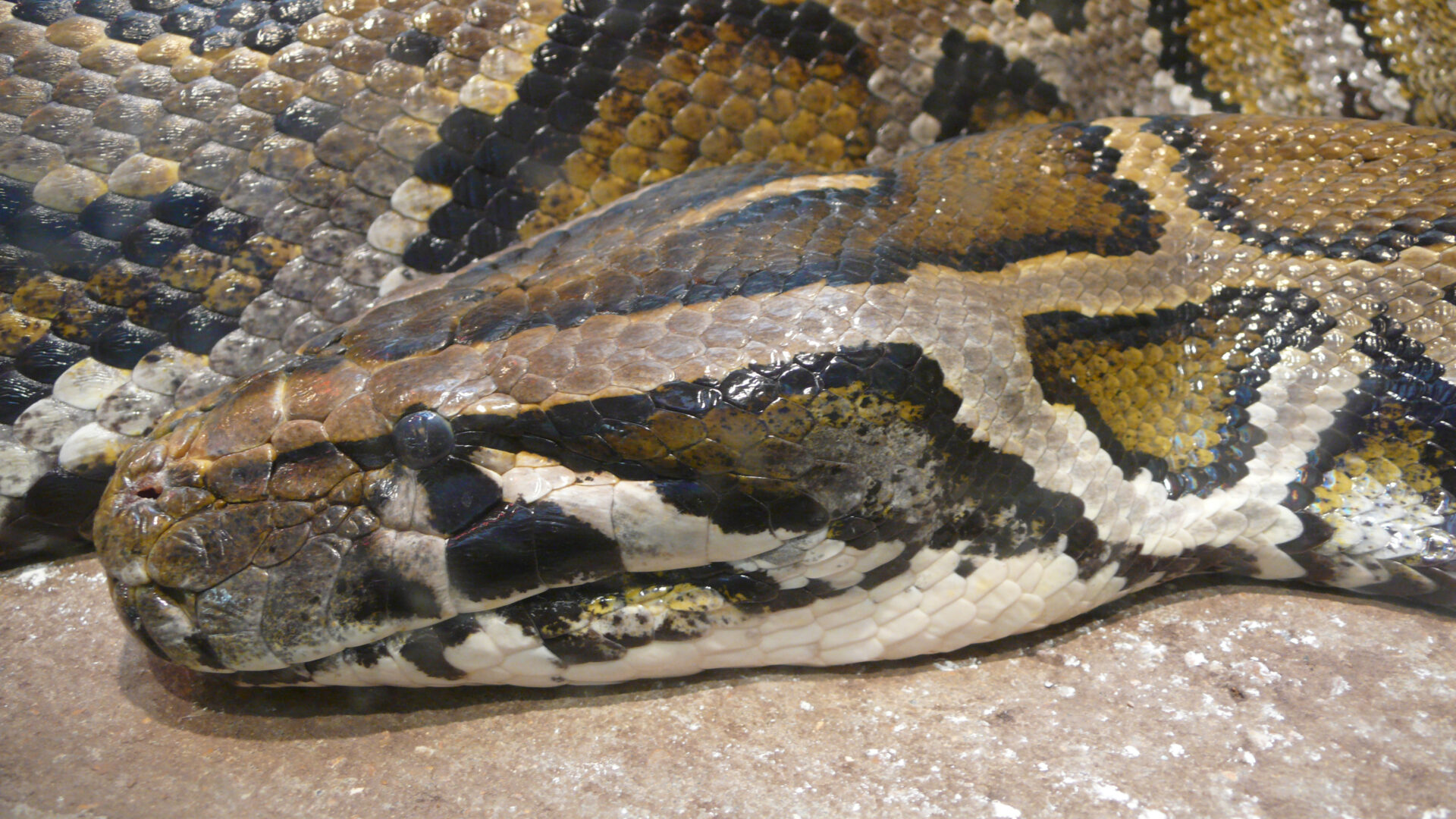
A Metabolic Switch, Up to 44 Times Normal
It isn’t only the small intestine that changes. A study by Stephen Secor and Jared Diamond (Secor & Diamond, 1998) published in Nature is even more dramatic. When digesting prey equal to its own body weight, a Burmese python’s oxygen consumption — that is, its metabolic rate — surges to as much as 44 times its fasting level. As Secor himself notes on his own lab’s webpage, an increase of this magnitude is, among known vertebrates, matched only by a racehorse running at full gallop. A comprehensive review Secor published in 2008 also reconfirmed that this 44-fold increase means up to 37% of the ingested prey’s energy is poured into digestion itself. In effect, an animal that normally sits quietly at a low metabolic rate flips its whole-body energy switch to maximum with a single meal.
Does the Heart Really Grow 40%? How Science Corrects Itself
The most contested part of these dramatic bodily changes is the heart. The original 2005 report by Andersen et al., published in Nature, drew wide attention by showing that in Burmese pythons (then classified as Python molurus), ventricular — heart-muscle — mass increased by about 40% within just 48 hours of eating. But science doesn’t end with a single publication. Several research teams later repeated the same experiment but could not reconfirm an increase as large as the one first reported. A review by Jensen & Wang, published in the journal Physiology in 2023–2024, compiled and compared the figures published up to that point and concluded that in several cases ventricular mass didn’t change at all, and on average it grew by only about 15%. In other words, the honest conclusion at this point is that the 2005 figure of 40% was only the first report, subsequent replication studies didn’t find an increase that large, and the figure now sits at an average of roughly 15%. (For reference, a follow-up mechanistic study published in PNAS in 2024 reported a 24.5% increase in ventricular mass within 24 hours of feeding in ball pythons — but since that involved a different species rather than the Burmese python, it can’t be directly compared to the 40%/15% debate above.) This very process — an initial figure being refined by later research — shows both that the phenomenon is real and how science verifies itself.
A Clue for Human Heart Disease Research
What’s interesting is that this cardiac growth is not pathological hypertrophy but “healthy” growth. A study by Riquelme et al. (2011), published in Science, showed that after a python eats, blood concentrations of three fatty acids — myristic acid, palmitic acid, and palmitoleic acid — rise together, and this combination delivers a growth signal to heart cells. Even more striking, when the same fatty acid combination was applied to mouse hearts and to cardiomyocytes isolated from rats, it produced the same kind of healthy growth. The researchers said this finding could offer new clues for human heart disease research — that understanding the switch behind healthy, non-pathological cardiac growth might also be applied to regulating human heart function.
The Many Faces of the Python Family
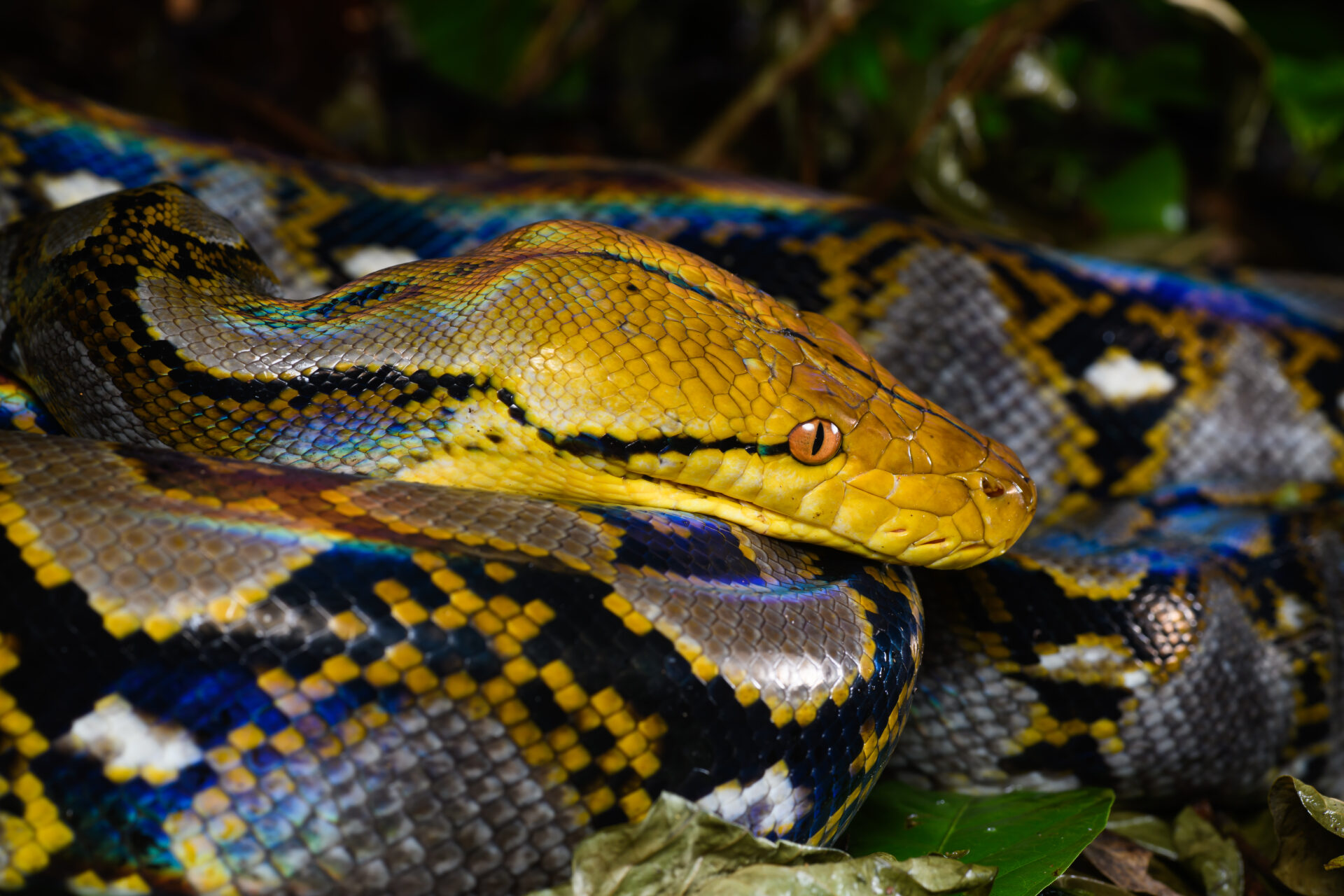
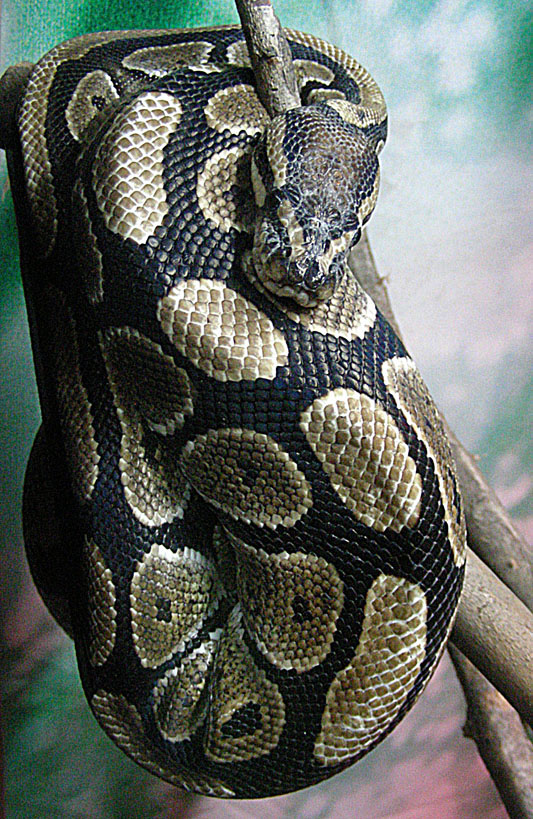
The family Pythonidae includes a wide range of species. Among them, the reticulated python (Malayopython reticulatus) is considered the longest species in the family, with wild individuals confirmed at nearly 7 meters. By contrast, the python species most commonly kept as a pet is the small, docile ball python (Python regius). They differ in size and habitat, but all of them belong to one family in sharing venom-free constriction hunting and the same way of folding and unfolding their internal organs as needed.
The Precision of a Reversible Switch
In the end, what happens inside a python’s body isn’t growth that simply expands without limit. It’s closer to a precisely engineered reversible switch that turns on exactly when needed and returns to its original size once the task is done. The small intestine maximizes its absorptive area and then shrinks back; metabolism spikes to its peak and then settles; and the heart — though scientists still debate the exact magnitude — grows as much as needed and then returns. Between months of fasting and a single massive feast, this body toggles precisely between on and off without losing its balance. This design principle, surviving the swing between extremes without collapsing, invites us to look once more at the precision built into creation.
References
- Python Model – Dr. Stephen Secor
- Digestive physiology of the Burmese python: broad regulation of integrated performance (Secor, J Exp Biol 2008)
- Structural flexibility of the intestine of Burmese python in response to feeding (Starck & Beese, 2001) – PubMed
- Postprandial cardiac hypertrophy in pythons (Andersen et al., 2005) – PubMed
- The Elusive Hypertrophy of the Python Heart (Jensen & Wang, Physiology 2023/2024)
- Postprandial cardiac hypertrophy is sustained by mechanics, epigenetic, and metabolic reprogramming in pythons – PMC (PNAS 2024)
- Fatty Acids Identified in the Burmese Python Promote Beneficial Cardiac Growth – PMC
- Pythonidae – Wikipedia
- Burmese python – Wikipedia
- Here’s How Burmese Pythons Eat Such Big Prey – Smithsonian Magazine
- Reticulated python – Wikipedia
- Ball python – Wikipedia