
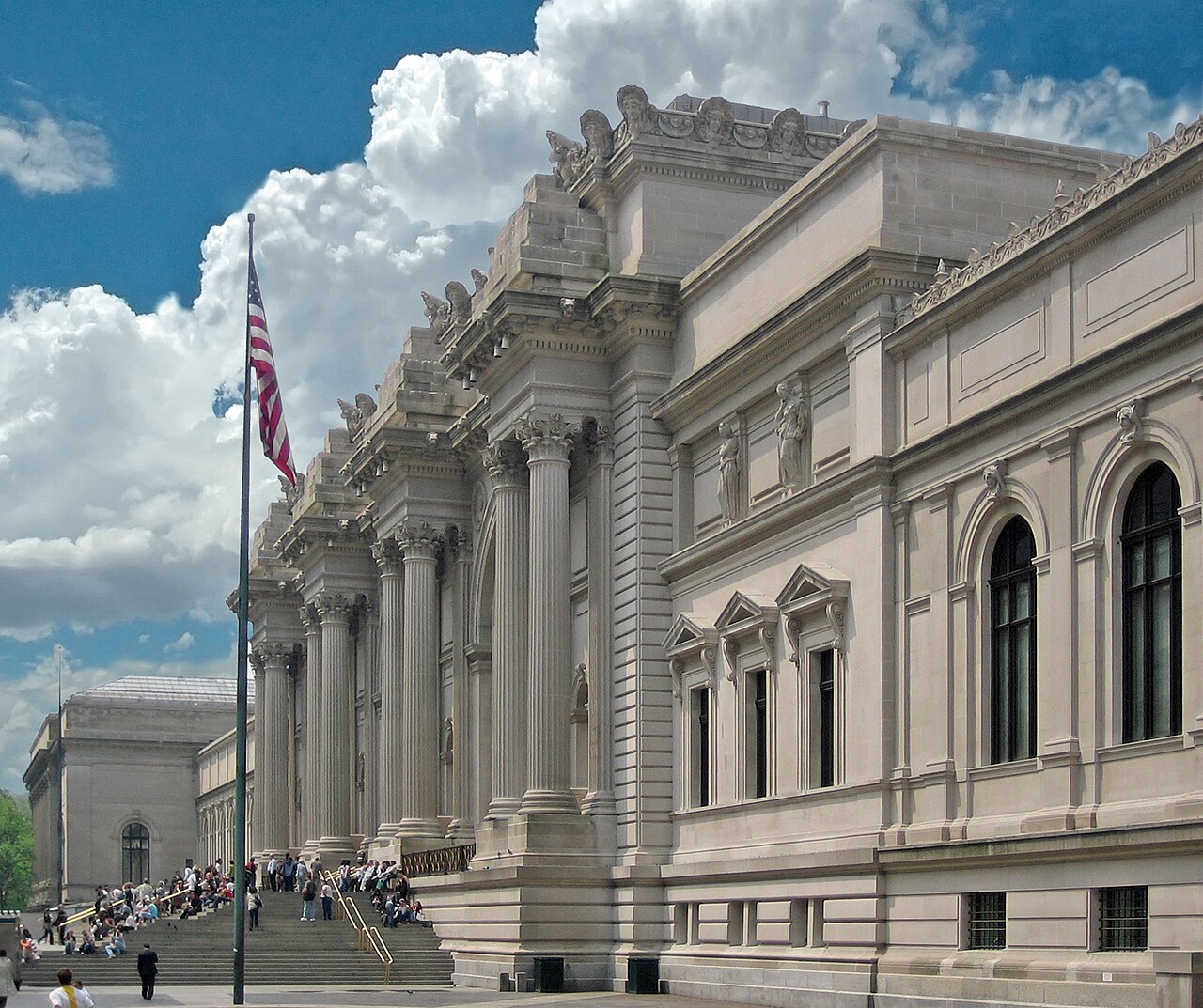
Every year, on the first Monday in May, the Fifth Avenue steps of the Metropolitan Museum of Art in New York stand before the cameras of the world’s press. Gowns worth tens of thousands of dollars, some seven hundred invited actors, singers, and designers, and the nickname “fashion’s biggest night.” That is how the Met Gala is remembered today. Yet the event was not a glittering spring spectacle from the start. It began in December 1948 as a midnight supper with a fifty-dollar ticket, held not even at the museum but at a hotel. Even its symbolic date, the first Monday in May, was only fixed in 2005. This is the real chronology of how a charity dinner became what it is today.

1948: A Midnight Supper That Began Outside the Museum
The Met Gala’s official name is the Costume Institute Benefit, a fundraising dinner for the Costume Institute. The event was conceived in 1948 by the fashion publicist Eleanor Lambert. The claim that Lambert founded it alone, however, is not accurate. Encyclopaedia Britannica names Dorothy Shaver, president of the department store Lord & Taylor, as a co-organizer (Britannica).
The first event took the form of a midnight supper, and a ticket cost fifty dollars (Newsweek). Adjusted to 2021 values, that is roughly nine hundred dollars. People called it the “Party of the Year.” The guests were drawn mainly from New York high society and the fashion industry.
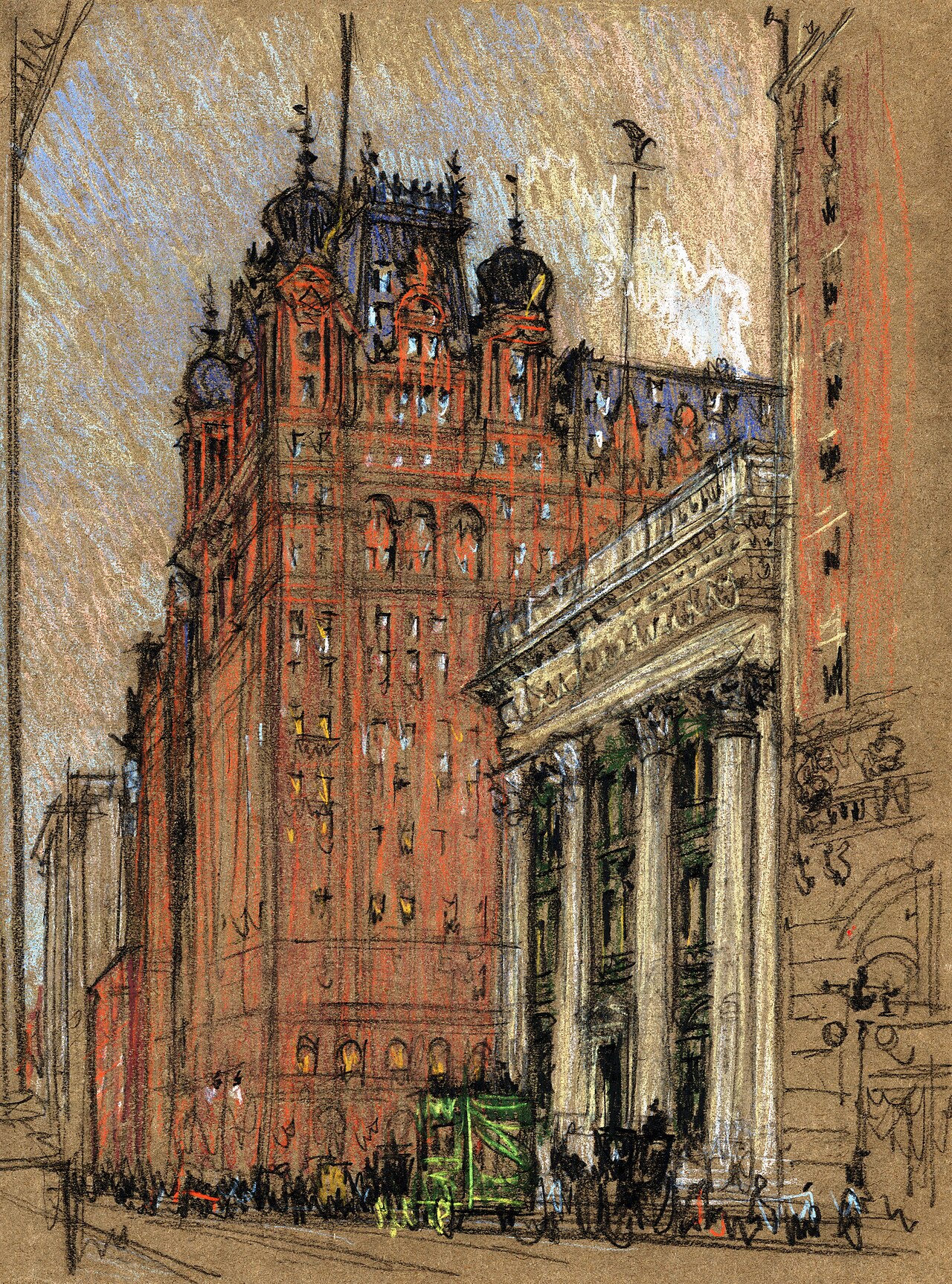
Contrary to a common misconception, for its first two decades (1948-1971) the dinner was not held inside the museum. It moved among New York society venues such as the Waldorf Astoria, the Rainbow Room, and Central Park. The very first edition was held not in a bright spring but on a winter night in December 1948 (NBC). From the outset, then, it differed even in season from today’s first Monday in May.
Why It Was a Fundraiser in the First Place
There was a clear reason this event was a charity dinner from the beginning. The Costume Institute’s predecessor, the Museum of Costume Art, was founded in 1937 by Irene Lewisohn, Aline Bernstein, and others, and merged into the Metropolitan Museum of Art in 1946. Lambert’s benefit dinner began two years later, in 1948.
According to Britannica, the Costume Institute is the only curatorial department at the Metropolitan Museum that must fund its own operating budget (Britannica). Unlike other departments, it cannot rely entirely on the museum’s general budget. That is the fundamental reason the gala is a fundraiser before it is a glamorous party. Ticket revenue and donations flow into exhibition preparation and the department’s operations.
Diana Vreeland and the Invention of the “Theme”
The dinner took on its character as a cultural event in the 1970s. It began when Diana Vreeland, who had stepped down as editor of Vogue, joined the Costume Institute as a special consultant in 1972. It was around this time that the event began to be held inside the museum building (NBC).
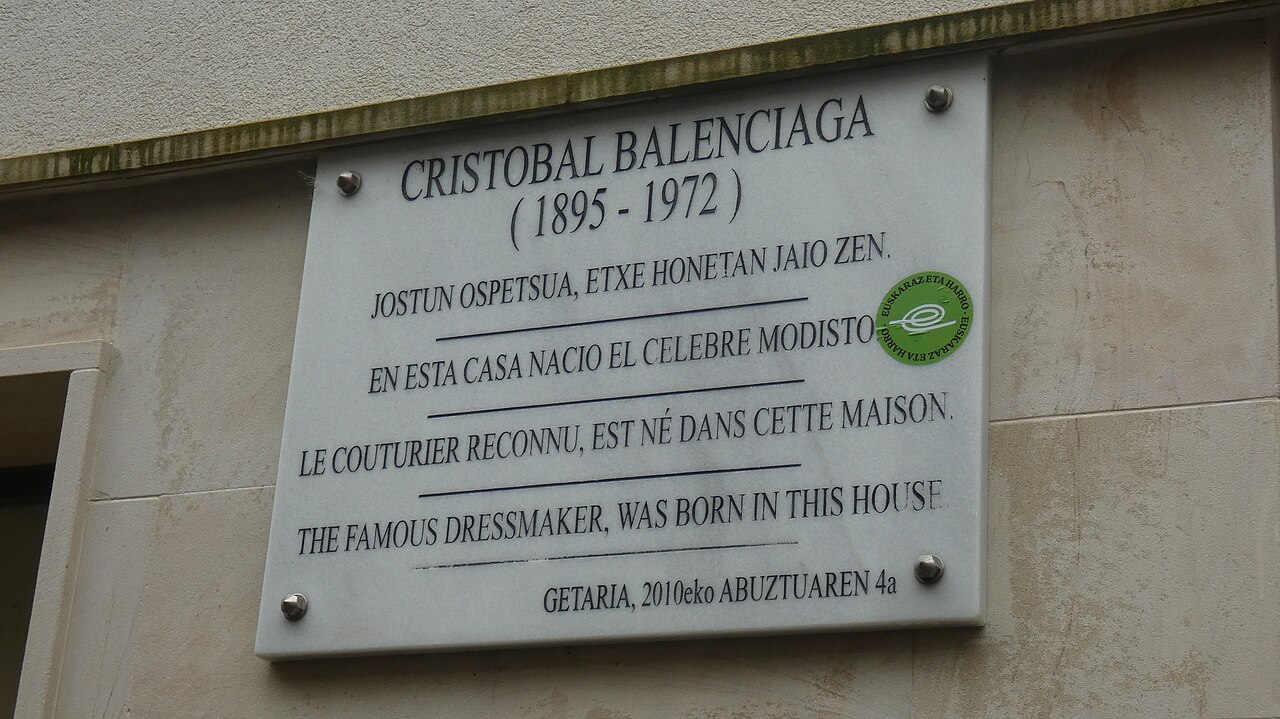
Vreeland introduced the concept of a “theme” to the party. In 1973, “The World of Balenciaga,” paired with that year’s retrospective of Cristobal Balenciaga, is recorded as the first themed gala. From then on, the party’s theme was matched to that year’s exhibition, and lavish touches were added, such as spraying a themed perfume through the galleries.
The seed Vreeland planted proved lasting. Later talked-about editions – “Punk: Chaos to Couture” in 2013, “China: Through the Looking Glass” in 2015, “Heavenly Bodies: Fashion and the Catholic Imagination” in 2018, “Camp: Notes on Fashion” in 2019, and “Gilded Glamour” in 2022 – all inherited the same format of a theme paired with that year’s exhibition.
Vreeland remained involved with the event until her death in 1989. It was in this period that the Met Gala’s identity as a cultural gathering of celebrities took hold. Even so, its scale was still far from today’s global spectacle.
Anna Wintour Turns the Dinner Into a Spectacle
The Met Gala as we know it today was largely shaped in the era of Anna Wintour. Wintour, the editor of Vogue, took over as chair of the gala in 1995. The Anna Wintour Costume Center, named after her, sits inside the museum – a measure of how difficult it is to speak of today’s gala apart from Wintour.
Curiously, even in the early years of her tenure the gala was still a winter event. The first gala she co-chaired was “Haute Couture” in December 1995 (Wikipedia). Wintour went on to chair or co-chair the event almost every year, with 1996 (chaired by Liz Tilberis) and 1998 as exceptions (Newsweek).
Control was central to the Wintour era. She personally manages a guest list of some 650 to 700 people each year, and she remade the charity dinner into a celebrity-centered global spectacle. The standing as “fashion’s biggest night” – even as “the most exclusive party in the world” – was largely formed after 1995, and especially in the 2000s. Such phrases are more accurately read as what the event is “called” than as statements of fact.
The First Monday in May and the Explosion in Scale
The first Monday in May, the date that symbolizes the Met Gala, was not fixed from the start either. According to E!’s account, this set date was established in 2005 alongside the “House of Chanel” exhibition (E!). Before that, the timing varied, including December. The claim that it has always been held in spring since its founding is simply untrue.
The scale grew steeply in the twenty-first century. Reported ticket prices alone jumped from 7,500 dollars in 2009 to 35,000 dollars in 2019, then 50,000 dollars in 2023 and 75,000 dollars in 2024. In 2025 the price was frozen at 75,000 dollars, and in 2026 an individual ticket reached 100,000 dollars (CBS). A table of ten starts at 350,000 dollars (CBS). Tickets are not sold to the public; the event is by invitation only.
Fundraising totals swelled as well. It should be kept in mind, however, that these figures are only estimates reported by the press, not audited official accounts. According to those reports, the total rose from about 9 million dollars in 2013 to roughly 22 million in 2023 and 26 million in 2024, and reached a record of about 31 million dollars in 2025 (E!). In 2026 it is reported to have set a new record again at about 42 million dollars (Fortune).
The event has not, of course, been held without interruption every year. It was canceled in 1957, 2000, and 2002; in 2020 it was canceled because of COVID-19, and in 2021 it was postponed to September. The 2026 gala was held on May 4 with the dress code “Fashion Is Art,” alongside the “Costume Art” exhibition, while the 2025 edition centered on Black men’s tailoring and style under the theme “Superfine: Tailoring Black Style.”
In sum, today’s Met Gala is built of three layers: the modest fundraising dinner that Lambert and Shaver began in 1948, the exhibition-linked themes that Vreeland added in the 1970s, and the global spectacle that Wintour perfected after 1995. However much the ticket prices and fundraising totals have grown, one fact has held for nearly eighty years: the event is a fundraiser for the Costume Institute. Behind the glamorous nickname of “fashion’s biggest night” lies the old, practical need of a single museum department to preserve clothing as art. And beneath that need lies an older fact still: that human beings were made to build things and to make them beautiful.
References
- Met Gala — Wikipedia
- Met Gala — Encyclopaedia Britannica
- The first Met Gala and its history — Newsweek
- The history of the Met Gala — NBC New York
- Behind the “first Monday in May” date — E! News
- The 2025 Met Gala’s record fundraising — E! News
- 2025 Met Gala ticket cost — TODAY
- 2026 Met Gala ticket cost — CBS News
- The 2026 Met Gala’s record fundraising (about $42 million) — Fortune