
Shell Inlay, So Why Does the Color Move?
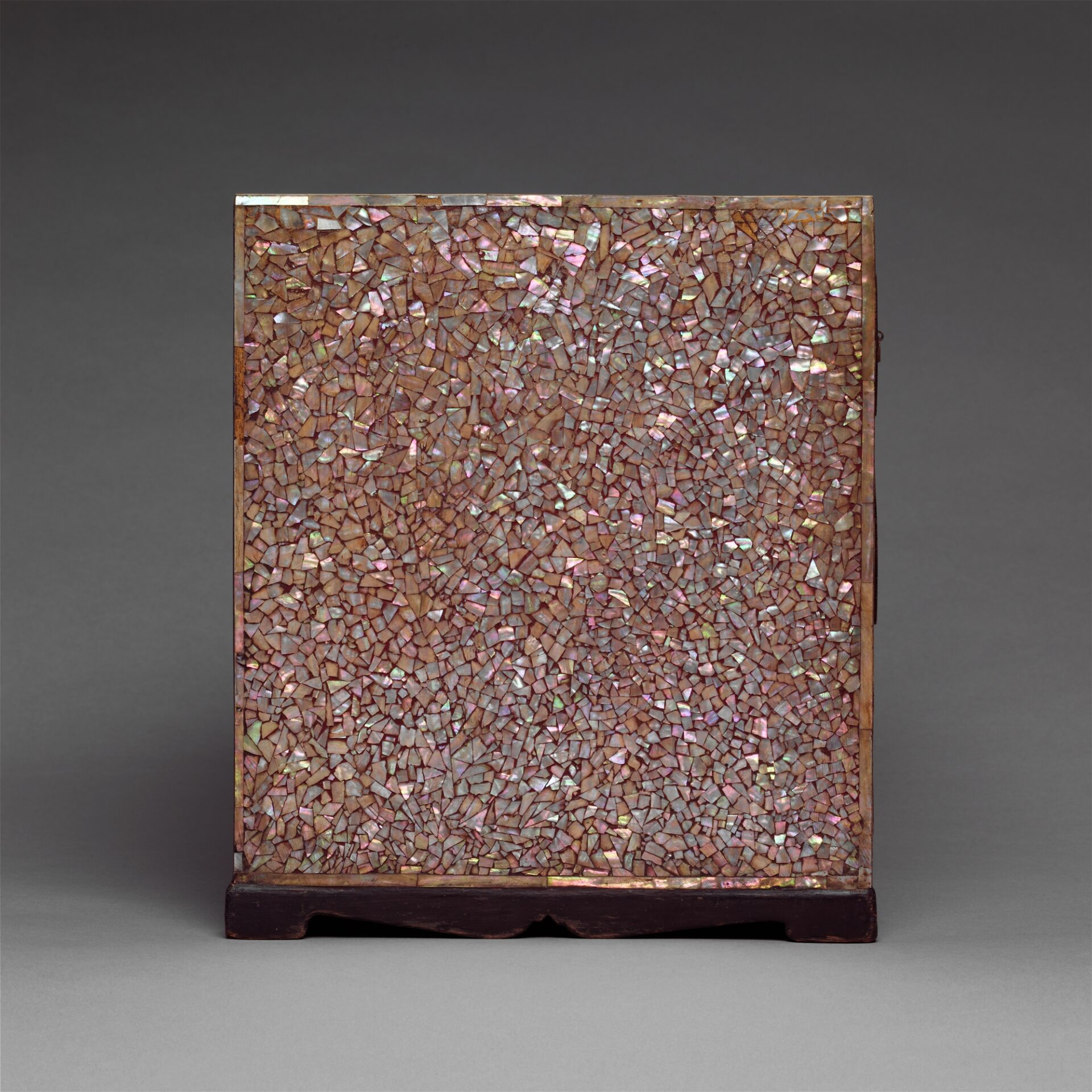
Many people have seen a najeon chilgi (螺鈿漆器, mother-of-pearl lacquerware) box or a small table. The scene where the shell inlay set against black lacquer shifts from blue to red to green with just a slight change in viewing angle. Yet few people can explain why that iridescence happens. It isn’t paint or dye. There is essentially no pigment on the shell’s surface. The answer to this twist lies in how a precisely designed nanometer-scale structure inside the shell handles light.
The Handiwork of Cutting and Inlaying Shell
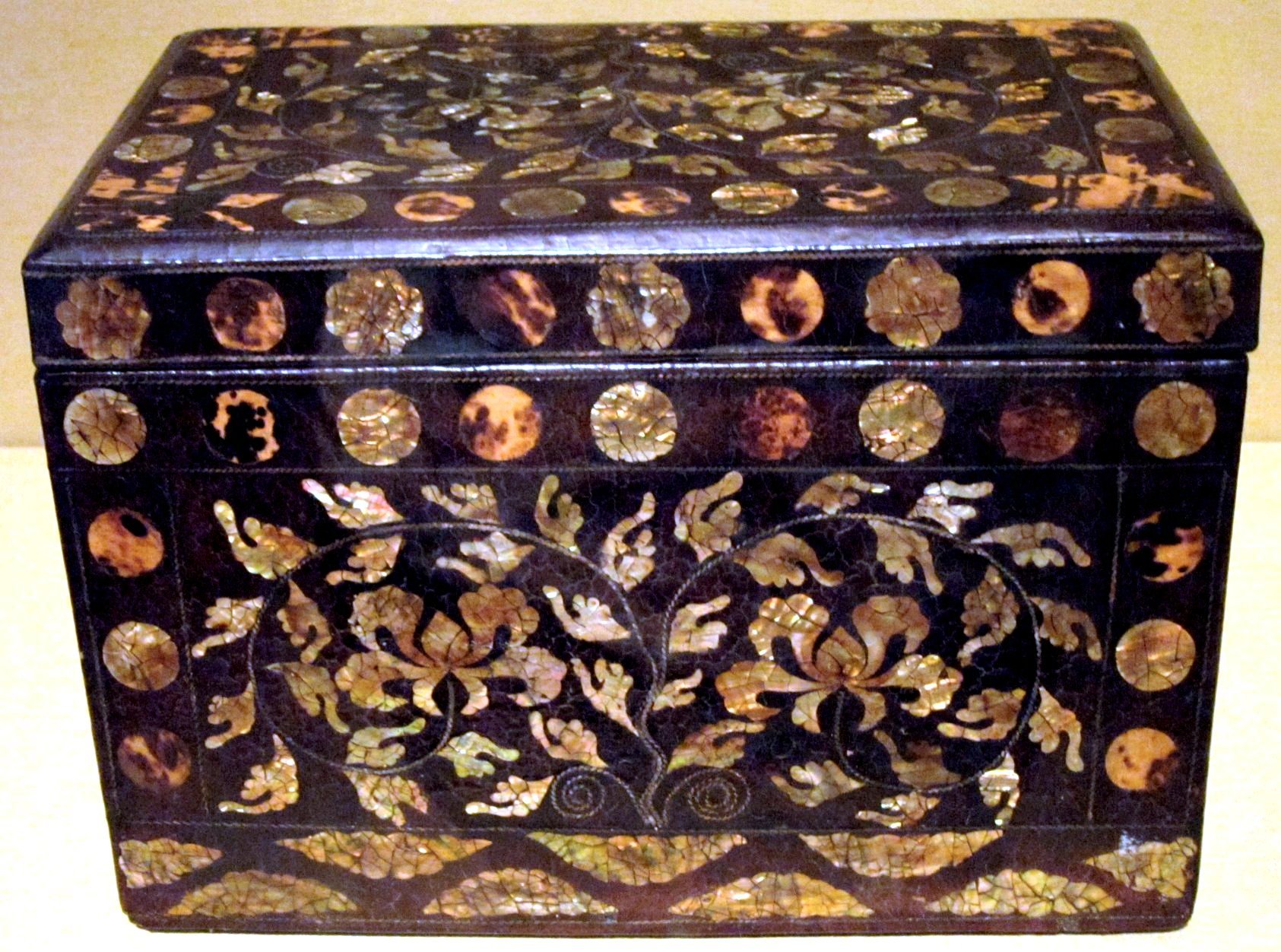
Najeon chilgi is a traditional Korean craft in which ‘jagae’ — thin slices of abalone or turban shell — are attached to a wooden base and finished with lacquer; it was also called ‘jagaebagi’ in native Korean. The craft’s origins trace back to shell-inlay artifacts excavated from 6th-century Silla tombs, and it reached its peak during the Goryeo dynasty, establishing a distinctive style; the Joseon dynasty carried the craft on as a specialized skill through a government office of najeonjang (螺鈿匠, mother-of-pearl artisans). This craftsmanship was designated a National Intangible Heritage (National Intangible Cultural Heritage No. 10) in 1966.
There are two core techniques. ‘Kkeuneumjil’ uses a cutting knife to slice shell into thin strips joined together to form geometric patterns, while ‘jureumjil’ cuts shapes from a design to depict pictorial motifs such as plum blossoms or chrysanthemums. Both use shell pieces trimmed to about 0.5–1 millimeter thick. Only around 20 Goryeo-era najeon lacquerware pieces survive intact worldwide, renowned for their refinement. Of the three held by the National Museum of Korea, the ‘Najeon Sutra Box’ was designated Treasure No. 1975 in 2018, and the ‘Mother-of-Pearl Box with Chrysanthemum Scroll Design,’ repatriated in 2020, bears roughly 45,000 individual shell pieces.
The Material That Makes Color Without Pigment: Nacre
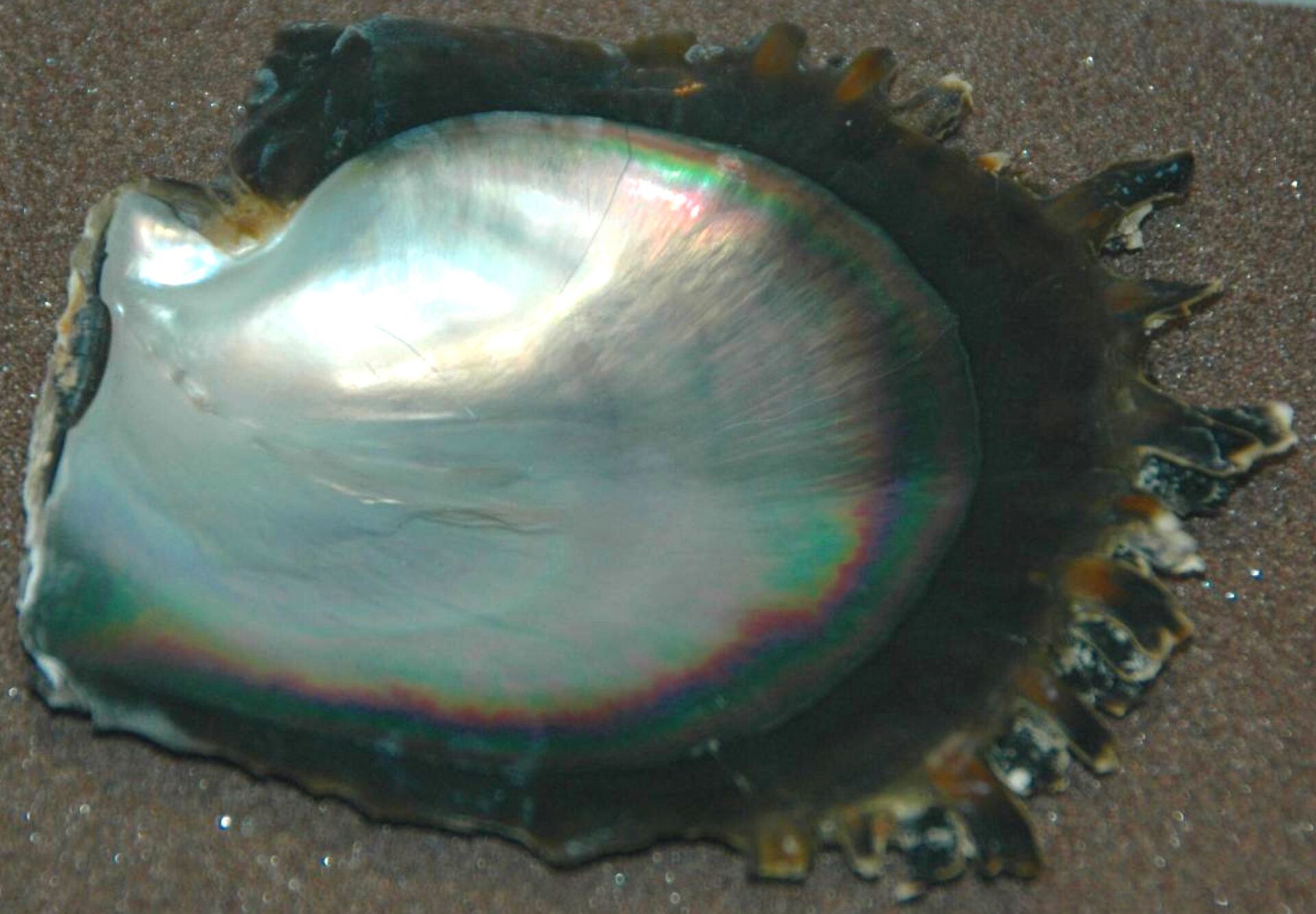
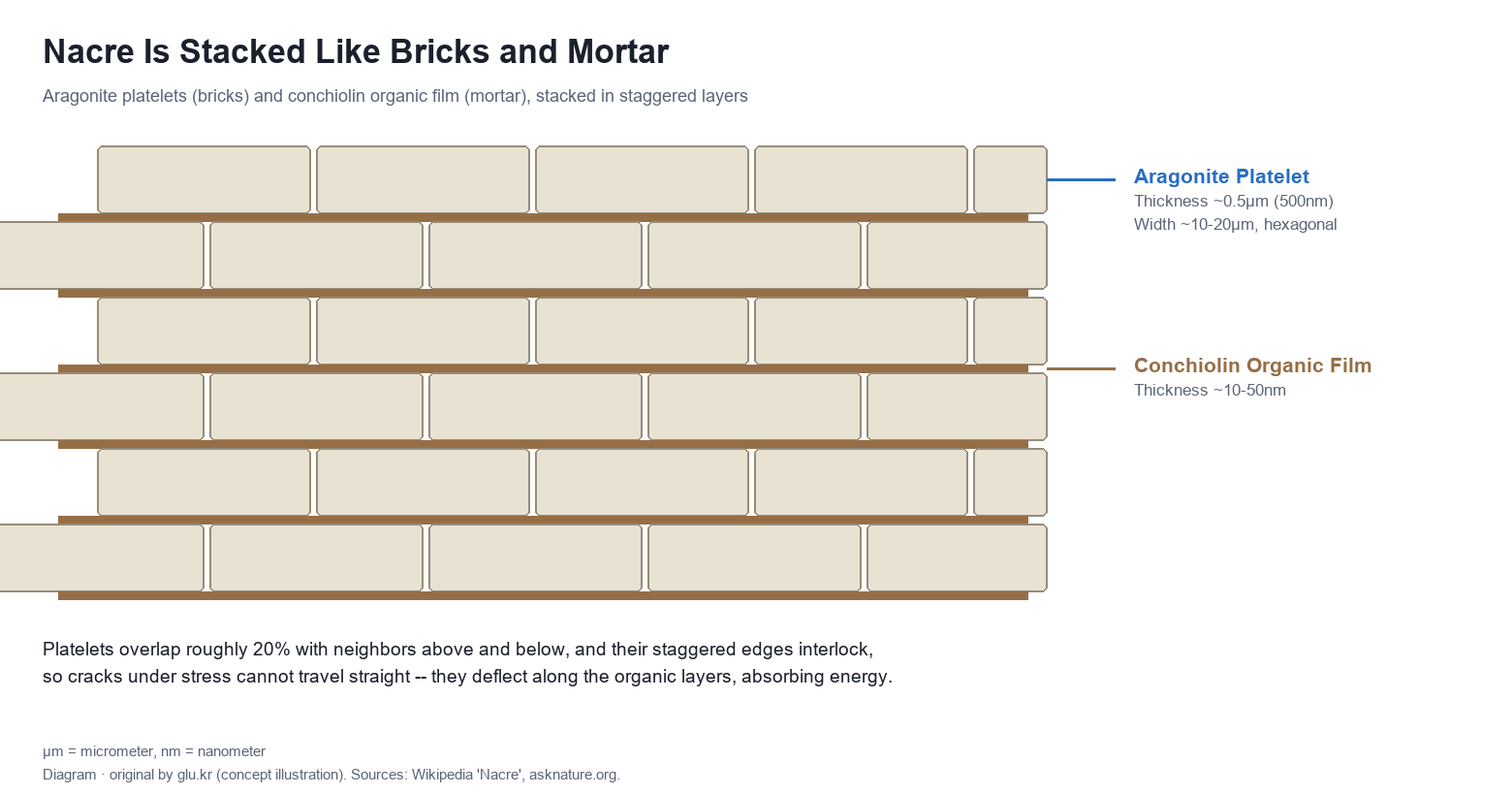
The true identity of jagae is ‘nacre’ — the mother-of-pearl layer lining the inside of the shell. It is a multilayer structure in which platelets of aragonite, a calcium carbonate crystal, alternate with thin organic films of conchiolin, a protein, often likened to a ‘brick-and-mortar’ structure. Aragonite platelets are roughly hexagonal, about 10–20 micrometers wide and about 0.5 micrometers thick (reported in the literature as ranging 200–900 nanometers), while the organic film between platelets is even thinner, at about 10–50 nanometers. By volume, over 95% is aragonite, with the rest an organic matrix — an elaborate composite material. Pearls, too, are made of the same nacre material, formed as a mollusk wraps a foreign object in layer after layer.
This structure isn’t just beautiful. The hexagonal platelets overlap roughly 20% with their neighbors, and their staggered edges interlock, so that under stress a crack cannot travel straight — it deflects along the organic layers, absorbing energy. Thanks to this, nacre is said to resist fracture roughly 1,000 to 3,000 times better than pure aragonite crystal, though the precise multiplier varies between studies. Simply stacking small platelets in an offset pattern produces an entirely different strength — a precise structural design embedded in creation.
The Color That Light Makes on Impact: Structural Color
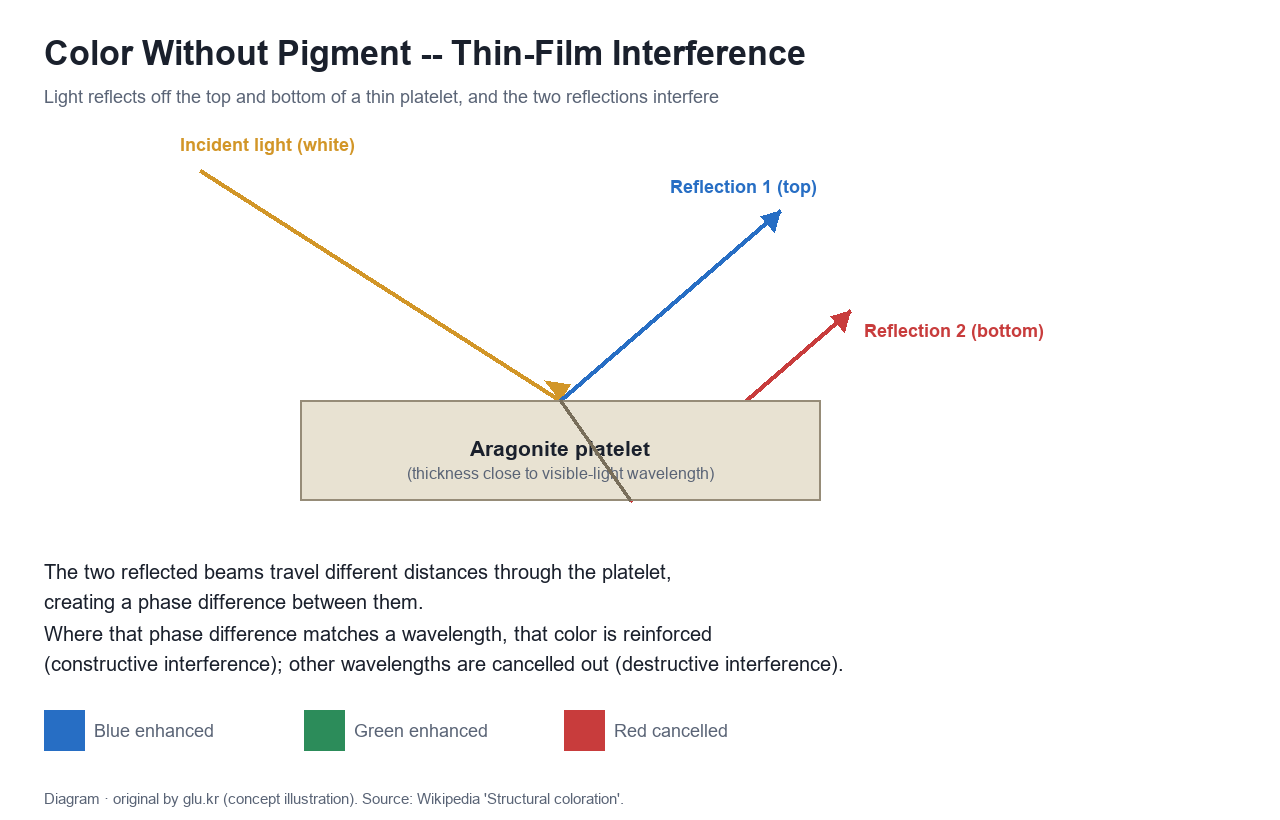
The key to jagae’s iridescence is the ‘size’ of this nanostructure. The thickness of an aragonite platelet (roughly 0.5 micrometers) is nearly the same scale as the wavelength of visible light (roughly 400–700 nanometers). When light strikes this regular microstructure, the reflections from the top and bottom surfaces of the platelet interfere with each other — a phenomenon called thin-film interference. Through this interference, some wavelengths reinforce one another (constructive interference) while others cancel out (destructive interference) — the result is ‘structural color,’ where a particular color stands out with no pigment involved at all. This is a fundamentally different principle from paint or dye, which produce color by absorbing wavelengths.
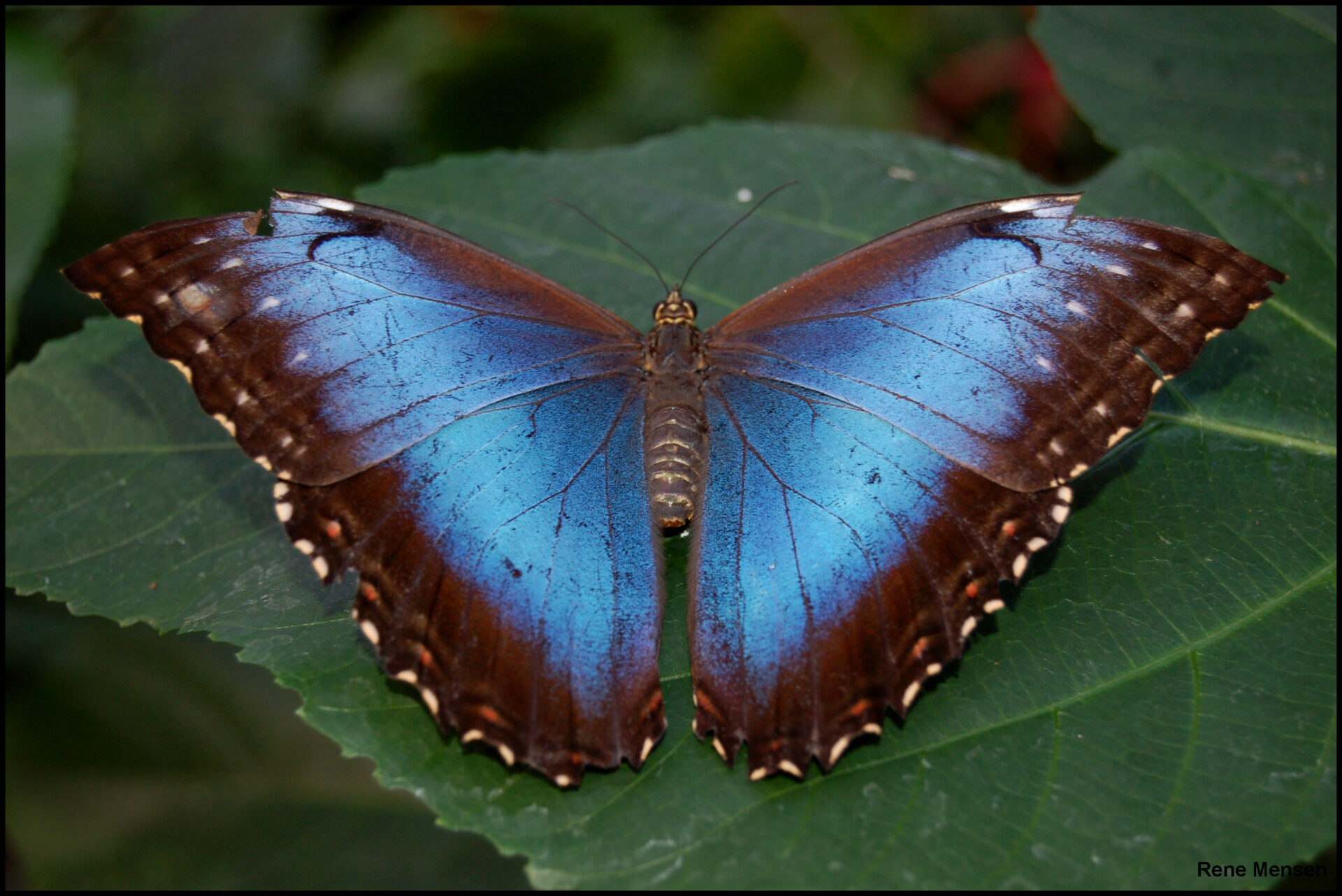
Structural color changes as the viewing angle or lighting changes, because the interference conditions shift too (iridescence). Tilt a piece of shell inlay and the reflected color changes depending on the surface angle and how it was polished — the same principle. The brilliant blue of a Morpho butterfly’s wings isn’t pigment either — it’s color made by nanostructure interference in the wing scales, and a peacock’s feathers combine a melanin pigment base with an added nanostructure to produce their teal sheen as well. The jagae of najeon chilgi is this same kind of structural-color material, cut and inlaid by hand through the meticulous kkeuneumjil and jureumjil techniques.
Why Materials Science Is Paying Attention Again
Nacre’s ‘brick-and-mortar’ structure is also a fascinating reference model for materials scientists today. Researchers are studying biomimetic materials modeled on this structure — such as glass-fiber-reinforced composites and ceramic-polymer composites — and attempting to apply them to impact-resistant armor and early fire-warning smart materials. A structure that achieves both strength and color, two entirely different properties, simply by offsetting thin platelets and even thinner organic layers between them, is the very source of the beauty that artisans could already see with their own eyes centuries ago as they cut and inlaid shell. The iridescence of najeon chilgi isn’t the flash of pigment — it’s the result of a nanometer-scale design principle embedded in creation.
References
- Najeon chilgi (Mother-of-pearl lacquerware) – Korean Wikipedia
- Najeon Sutra Box – Korean Wikipedia
- Najeon chilgi – Encyclopedia of Korean Culture
- Kkeuneumjil – Encyclopedia of Korean Culture
- Najeonjang (Mother-of-pearl Artisan) – Encyclopedia of Korean Culture
- Devotion Held in Shell: Najeonjang – Korea Heritage Service, Monthly Heritage Love
- Najeon Sutra Box | National Treasures and Treasures Search – National Museum of Korea
- 800 Years of Goryeo Light Has Returned
- Nacre – Wikipedia
- Structural coloration – Wikipedia